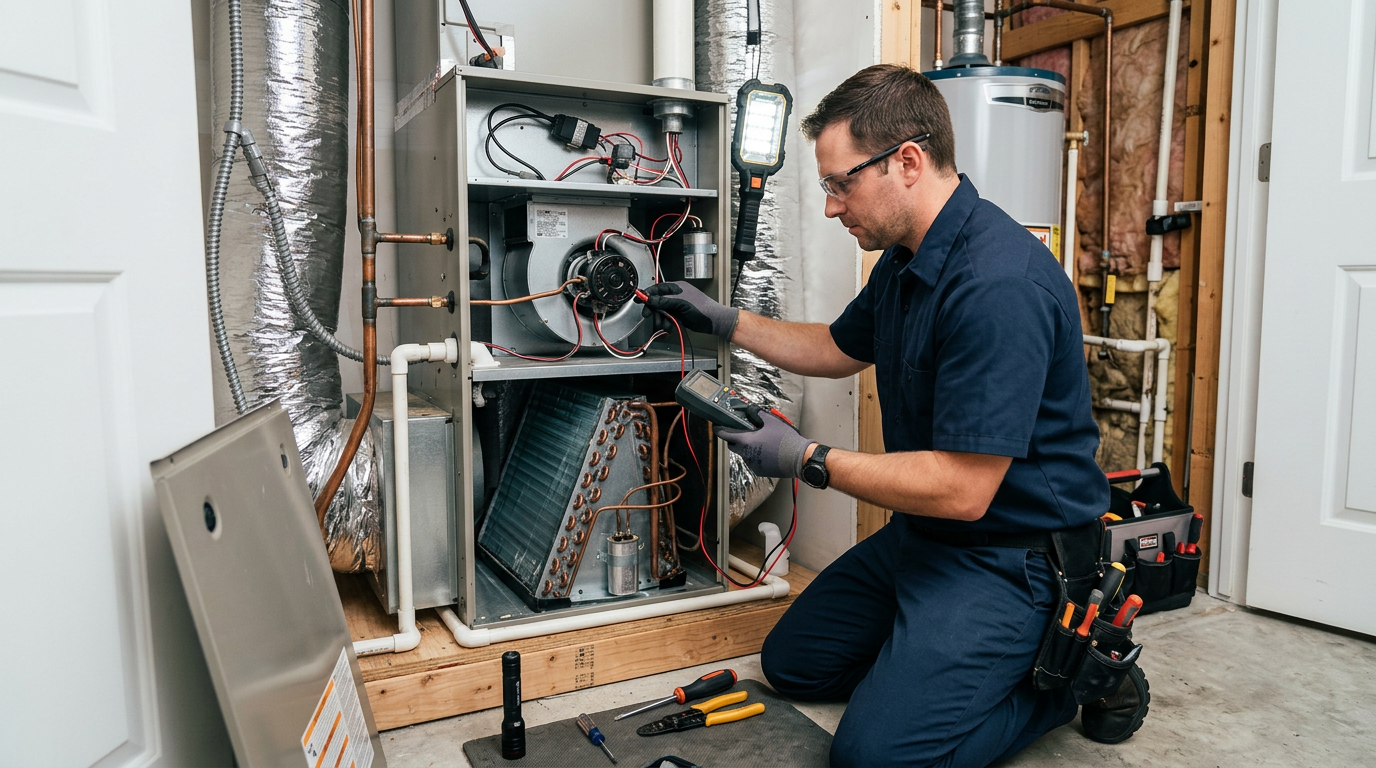
Air Handler Replacement in Deer Park, NY
The air handler moves conditioned air into every room of your home. When it is failing, you get weak airflow, uneven temperatures, and rising energy bills. We help you decide whether to repair or replace, with a written estimate first.
- Insured
- EPA 608 certified
- Written estimates before work begins
- Same-day availability when scheduling allows
- Financing options available
Your air handler is the indoor half of your cooling and heating system. It pushes conditioned air through your ductwork and into each room. When the blower motor, coil, or housing starts to fail, your comfort goes with it, often before you realize the air handler is the cause.
Pristine Air Heating and Cooling LLC handles air handler replacement across Deer Park and the surrounding Suffolk and Nassau County towns. We assess the existing unit honestly, match the new equipment to your outdoor system, and verify airflow throughout the home before we leave. Call 631-333-1613 to schedule an inspection.
Signs Your Air Handler Has Reached End of Life
Most people do not think about the air handler until something feels off. Age is the first thing we look at. Once a unit is around fifteen years old, parts get harder to find, the blower motor strains, and the system can struggle to keep up with a Deer Park summer. Here are the signs we see repeatedly:
- Warm or weak airflow from the vents, even after a repair
- Grinding, rattling, or squealing noises that keep coming back
- Energy bills that have crept up with no change in how you use the system
- Indoor humidity that feels worse than it should
- More than two repair calls in the past year
That last one matters more than people realize. When a homeowner calls us for a third or fourth repair in eighteen months, each fix costs money that is really just going into a unit that is done. There is also the comfort side: a failing air handler can leave some rooms fine and others stuffy or warm, so the thermostat gets turned down, the system runs longer, and nothing really changes.
One situation we run into is a homeowner who had an AC diagnostic done and the outdoor unit checked out fine. The air handler inside was the part struggling to push air through the house. That said, not every noise or warm spot means a full replacement, which is why we always start with an honest assessment before recommending anything.
Why Long Island's Climate Can Shorten Air Handler Life
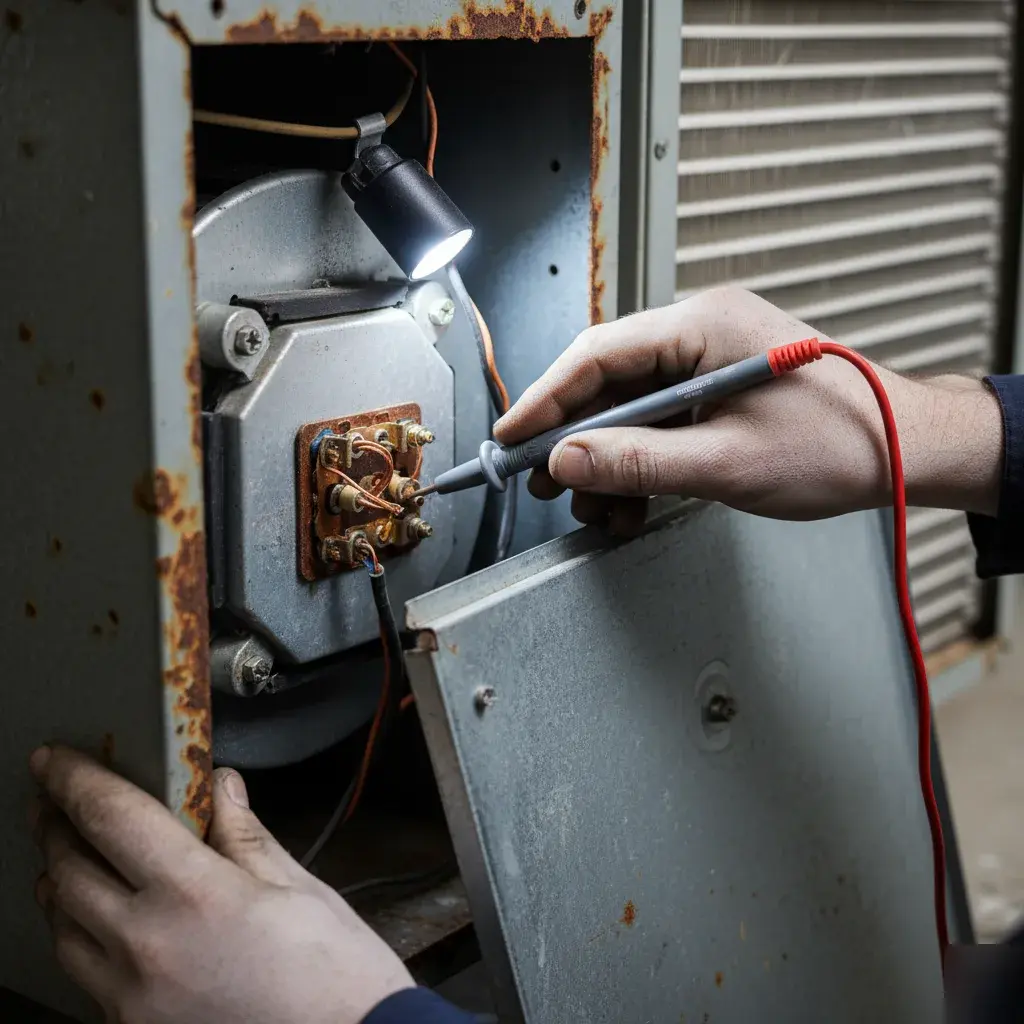
Long Island humidity, outdoor exposure, and seasonal temperature swings put extra stress on air handler components. Humid summers push the system hard for months, and if it is paired with a heat pump, it works through winter too. That adds up to close to year-round demand on one piece of equipment, and the conditions here can accelerate wear on coils, electrical connections, and the blower housing.
We have seen air handlers come out of Deer Park homes that look older than their actual age, though how quickly a unit shows wear depends on the home's setup, how consistently the system has been maintained, and how the equipment is installed. A few things we find inside units that have been operating in these conditions:
- Blower motors that have worn out ahead of schedule
- Drain pans that have overflowed from excess condensation
- Mold growth inside the cabinet and on the evaporator coil
- Rust on internal brackets and mounting hardware
If your system is approaching that age range and showing signs of more frequent issues, it is worth getting an inspection to understand what is actually driving the wear, whether that is climate, maintenance history, equipment match, or something else. The goal is a straight answer you can plan around, not pressure to replace something that might still have life in it.
Repair vs. Replace: Making the Smart Call
This is the question we field most. Your air handler is acting up and you want to know if a repair can buy more time. Sometimes it can. If the unit is under about eight years old and the fix is straightforward, repair usually makes sense. A bad blower motor or a failing capacitor does not mean the whole unit is done, and plenty of homeowners get more years out of their systems after a focused capacitor replacement.
Air Handler Replacement: Weak Airflow and Indoor System Problems
This video explains what the air handler does and why it matters to home comfort. The air handler is the indoor unit that moves air across the coil and through the ductwork. When it has problems, the effects can show up throughout the home as weak airflow, uneven temperatures, loud operation, water near the unit, or a system that runs but barely moves air. The video covers repairable causes such as blower motors, capacitors, control boards, drains, and dirty coils. It also explains when replacement may be part of the conversation and why indoor and outdoor equipment compatibility matters.
But age changes the math. Once a unit passes twelve to fifteen years, parts get harder to find, efficiency drops, and one repair can lead to another. The blower in spring, the coil in summer, the control board in fall. Three service calls that together cost more than a replacement would have. A few signs that tend to point toward replacement:
- Energy bills that have climbed steadily over the past two or three cooling seasons
- A second major repair needed within twelve months
- Grinding, rattling, or vibration that does not resolve after service
- Rooms that never reach the thermostat setting, especially upstairs
Properly sized, modern equipment runs more efficiently than older units, and that difference shows up on the monthly bill. If you are not sure which direction makes sense, we run a full diagnostic first so you are deciding based on real numbers, and we give you a written estimate for both options so you can compare without pressure.
What the Replacement Process Looks Like, Step by Step
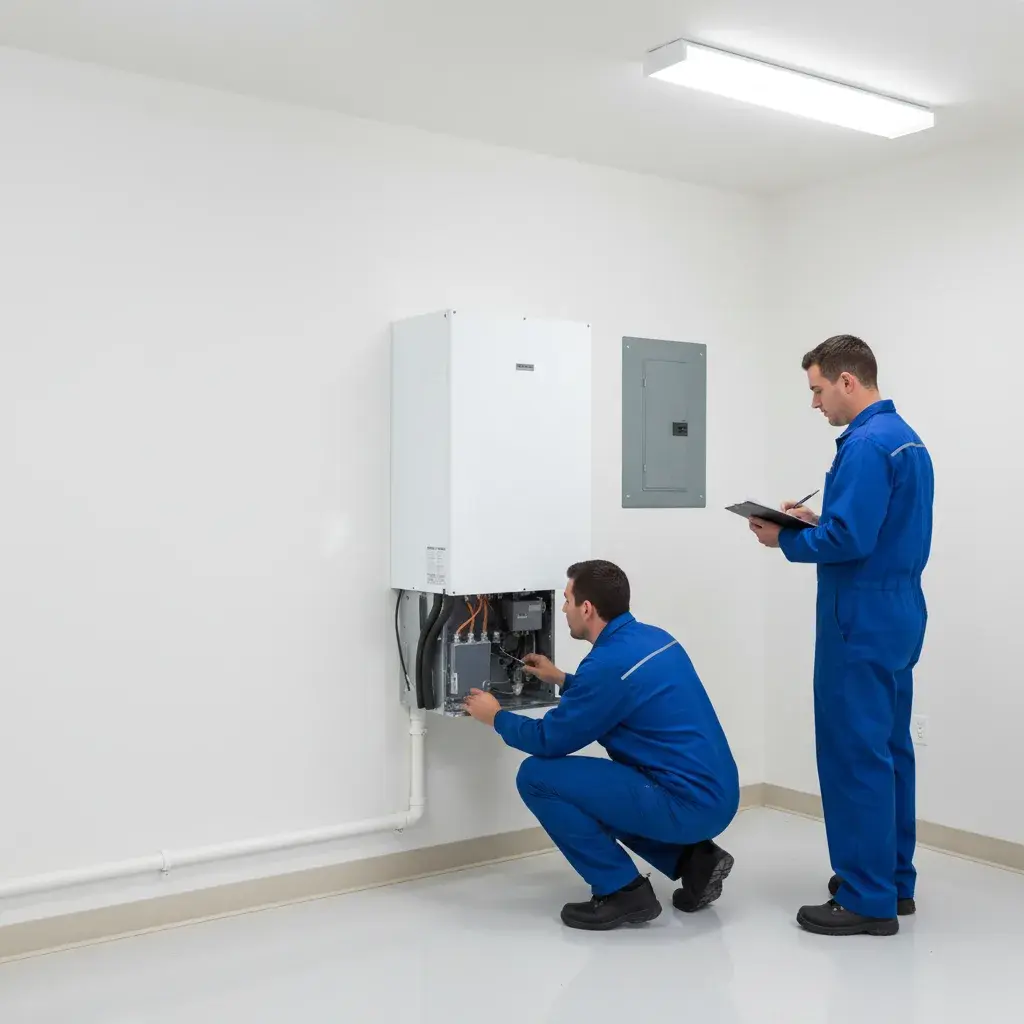
We explain every step before we touch anything. Here is how a typical air handler replacement goes:
- Walk-through and measurements. We check the current unit, note the model, measure the space, and look at the ductwork connections. If there is water damage or mold around the old unit, we flag it right away.
- Written estimate and scheduling. You get a clear written estimate before any work starts.
- Power disconnect and old unit removal. We shut down the electrical safely, disconnect refrigerant lines, drain lines, and duct connections, then remove the old handler.
- Prep the installation area. We clean the space, check for duct leaks or damaged insulation, and make sure the mounting surface is level and solid before the new handler goes in.
- New air handler installation. We mount the new unit, reconnect refrigerant lines, wire the electrical, and hook up the condensate drain, testing every connection.
- System testing and airflow verification. We power everything on, check airflow at multiple vents, and confirm the thermostat communicates properly with the new unit before we leave.
Many standard air handler replacements wrap up in a single day, though timing depends on system condition, access, and whether ductwork adjustments are needed. We explain the expected timeline in the written estimate before we start. The hardest part is getting the old unit out; the new one goes in faster than people expect. We protect your floors and walls during the swap and haul the old equipment away.
Matched Systems and Why Compatibility Matters
Your air handler does not work alone. It is paired with an outdoor condenser or heat pump, and the two need to communicate properly. Matching the indoor and outdoor components is one of the first things we check on any replacement. When systems do not match, refrigerant pressures run off, the blower moves too much or too little air, and the whole setup works harder than it should. Guidance such as ACCA Manual S residential equipment selection guidance reflects why proper equipment selection and system compatibility matter when indoor and outdoor units are paired. We see this in older Deer Park homes where someone swapped only the outdoor unit years ago and left the original air handler in place, and the mismatch slowly eats at efficiency and shortens the life of both pieces.
A few things we confirm for compatibility:
- Efficiency ratings between the indoor and outdoor units
- Refrigerant type, since older R-22 systems cannot pair with newer R-410A equipment
- Tonnage and airflow capacity so the blower moves the right volume for your ductwork
- Communication protocols for variable-speed or modulating systems
Getting this wrong costs real money every month and puts extra strain on the compressor. We run a compatibility check before ordering a single part, which is how you avoid buying equipment that fights itself from day one. If the evaporator coil inside the handler is also failing, we will tell you that during the assessment so you are not surprised later.

Related Services
Air handler work often ties to coil and refrigerant issues, including evaporator coil replacement, refrigerant leak detection, and refrigerant leak repair. Electrical and startup problems may also involve AC capacitor replacement, and for the full range of cooling work visit our Air Conditioning Repair Service hub.
Why Choose Us
Pristine Air Heating and Cooling LLC is insured, and our technicians are EPA 608 certified for the refrigerant connections this work requires. You get a written estimate before any work begins, and nothing moves forward without your approval. We offer same-day availability when scheduling allows, and financing options are available. For the full range of cooling services, see our Air Conditioning Repair Service page, or learn more about central AC installation and replacement when a full system upgrade makes more sense.
Common Questions
- How long does an air handler replacement take in Deer Park?
- Many air handler replacements are completed in a single day. A straightforward swap on a standard residential unit often runs a few hours, and if ductwork adjustments are needed or the space is tight, it can take longer. We walk you through the expected timeline in the written estimate before we start.
- What should I expect when a technician arrives for air handler replacement?
- We start with a full assessment of your existing setup before anything is removed, checking ductwork connections, electrical supply, and the drain line. Then we shut the system down safely, remove the old unit, and install the new one. We test airflow from multiple vents before we leave, and you should notice stronger, more even airflow throughout the home.
- Why do air handlers in Deer Park sometimes fail earlier than expected?
- Long Island humidity, outdoor exposure, and seasonal temperature swings can accelerate wear on internal components. Blower motors, coil housings, and electrical connections can deteriorate faster in these conditions than in drier climates. If your system is showing wear earlier than you expected, it is worth getting an inspection to understand what is driving it.
- My outdoor AC unit was just checked and it is fine. Could the air handler still be the problem?
- Yes, and this comes up regularly. The outdoor condenser can check out perfectly while the air handler inside struggles to push air through your ductwork. Weak airflow, uneven temperatures from room to room, or climbing energy bills often trace back to the air handler. A diagnostic that only looks at the outdoor unit misses half the picture, so we always check both sides.
- How do I know if I should repair or replace my air handler in Deer Park?
- If the unit is under about eight years old and the repair is straightforward, repair usually makes sense. Once it passes twelve to fifteen years, the math tends to shift. If you have had two or more repairs in the past year, or energy bills keep climbing, replacement tends to cost less over time than chasing breakdowns. We see this pattern in older homes that are still running original equipment, and a diagnostic helps you decide based on your specific situation.
- Can a failing air handler cause mold problems inside my Deer Park home?
- It can. When an air handler is struggling, it tends to run longer cycles and manage moisture less effectively. Drain pans can overflow, condensation builds up inside the cabinet, and mold can develop on the evaporator coil and surrounding surfaces. Long Island's humid summers make this more likely than in drier climates. If you notice musty smells from your vents, that is a sign the unit is not handling humidity the way it should.
If your air handler is failing, call Pristine Air Heating and Cooling LLC at 631-333-1613. We serve Deer Park, Suffolk County, and Nassau County, with written estimates before any work begins.