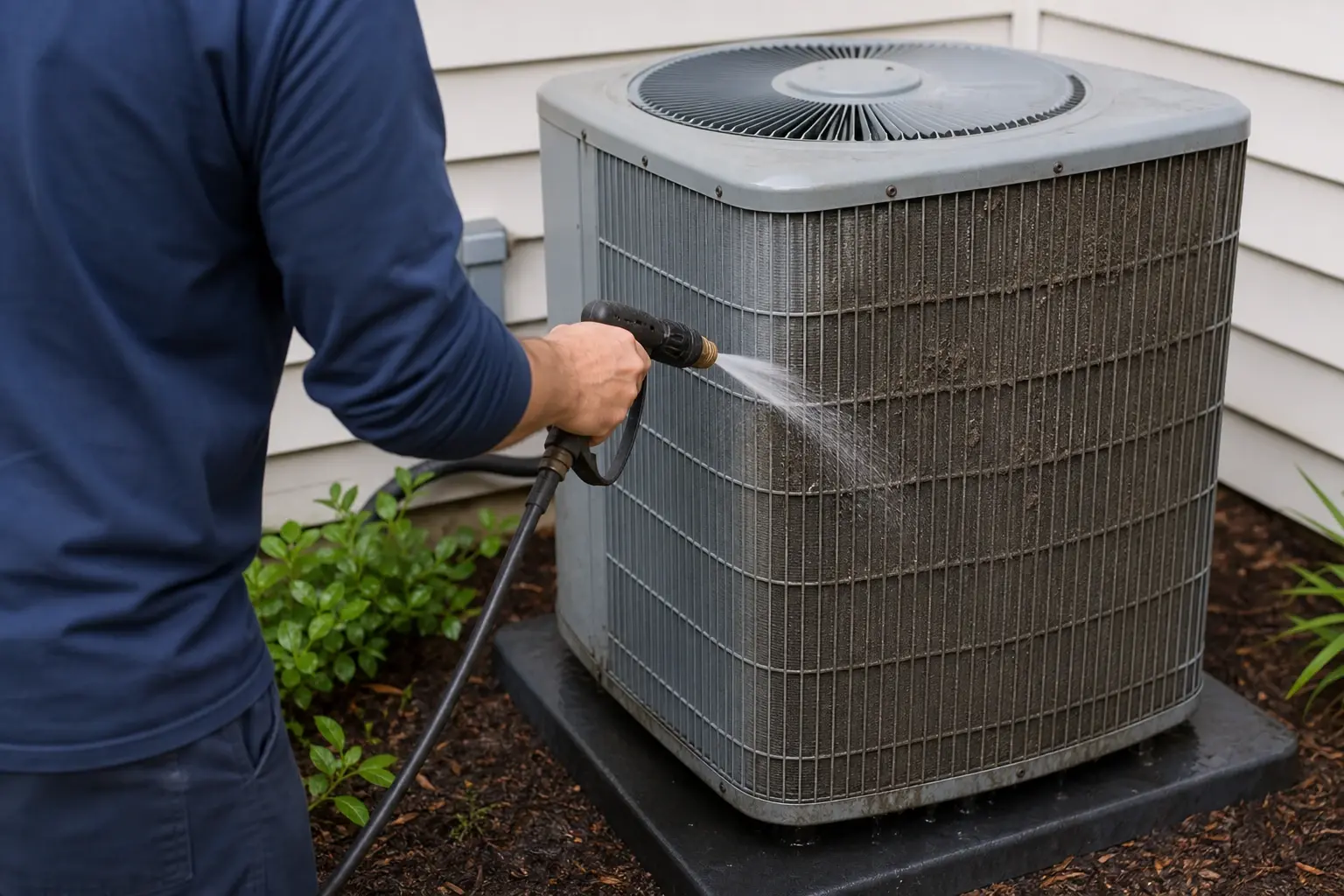
Is Annual HVAC Maintenance Worth It?
Most homeowners think maintenance is just a filter swap. A proper annual visit covers dozens of checks — and what gets found is usually the more important part.
Is Annual Maintenance Actually Worth It?
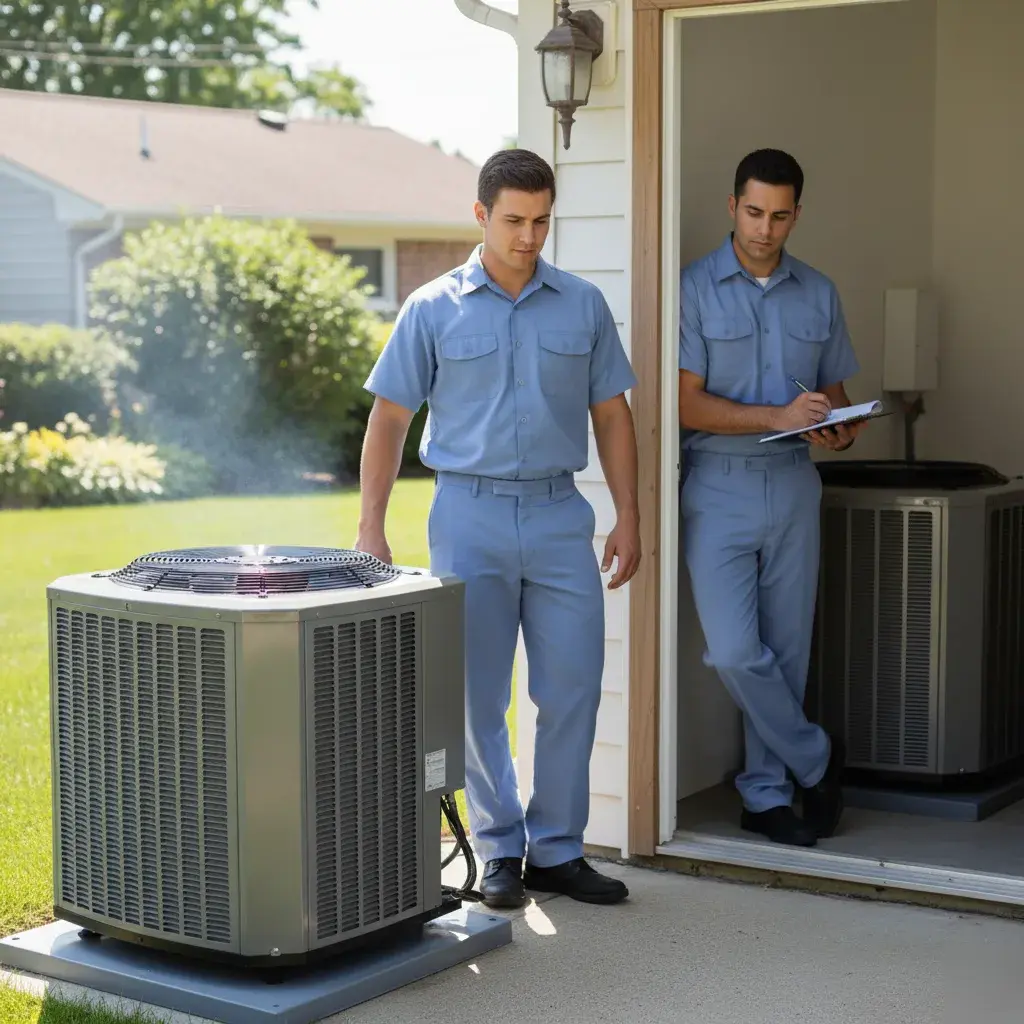
For most homes, yes — and the reason has less to do with the cleaning and more to do with catching small problems early. A maintenance visit is the one time a year a technician looks over the whole system before anything has broken. A weak capacitor, a slow refrigerant leak, or a dirty coil rarely announces itself; it just makes the system work harder and run up your bill until the day it quits, usually during the hottest stretch of summer. A planned visit in spring is almost always cheaper than an unplanned repair in July.
How Often Should You Schedule It?
Once a year is the standard for a cooling system — ideally in spring, before you're leaning on the AC every day. If your home also has heating equipment, a second visit in the fall gets the furnace or boiler ready before the first cold night. Homes with older equipment, pets, or a lot of dust benefit from sticking to that schedule closely, since filters and coils load up faster.
What You Risk by Skipping It
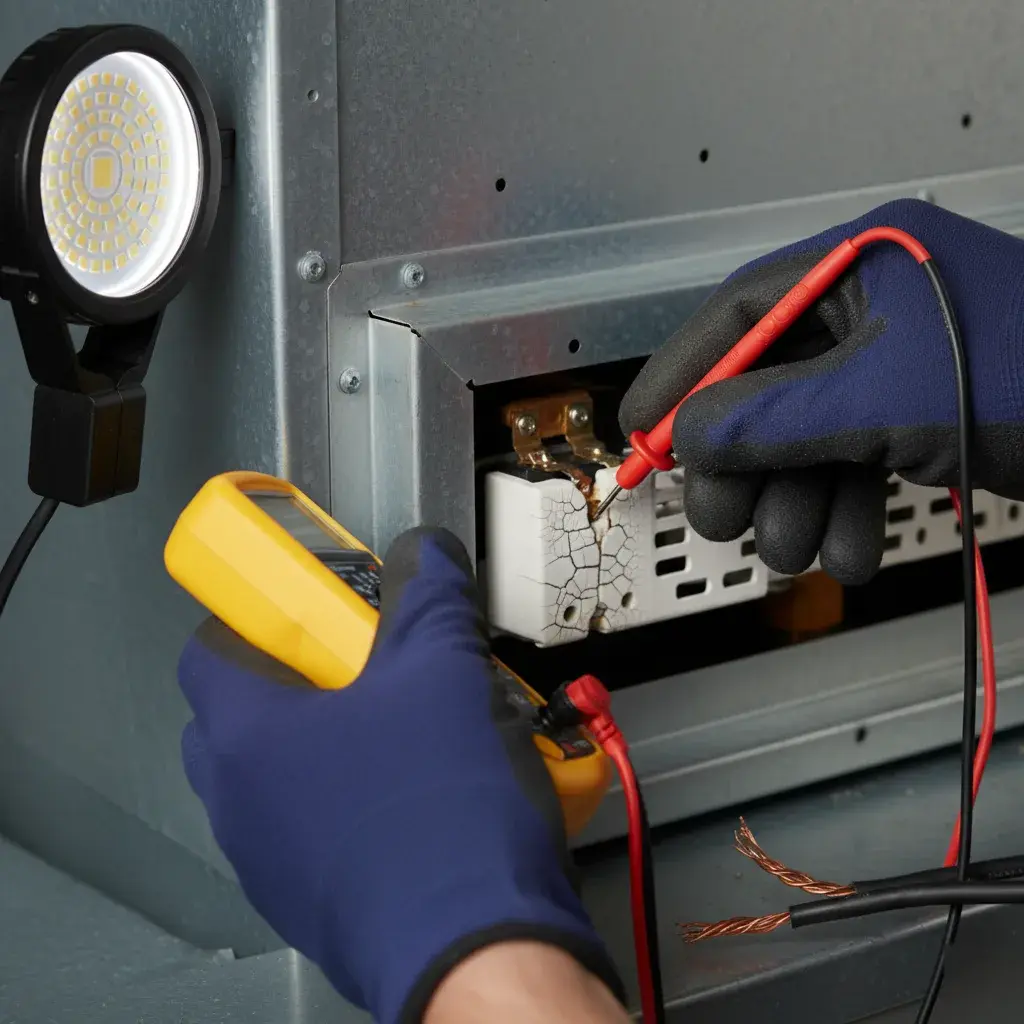
Skipping maintenance doesn't break your system overnight — it shortens its life quietly. Dirty coils and clogged filters force longer run times and higher bills. A small refrigerant leak left alone strains the compressor, the most expensive part to replace. Worn electrical parts that a tune-up would have flagged instead fail mid-season. None of these is dramatic on its own, but together they can turn a system that might have lasted fifteen years into one that struggles at ten.
When Maintenance Isn't the Answer
Maintenance is preventive, not a repair. If your system is already blowing warm air, short cycling, leaking, or making new noises, it needs a diagnostic and a repair — not a tune-up. A maintenance visit can find those problems, but it won't fix them, and an honest technician will tell you the difference rather than padding a tune-up with work it can't do.
For the full breakdown of what a thorough visit covers step by step, see what regular AC maintenance includes. When you're ready, you can book a seasonal tune-up before the calendar fills up.
The Real Benefits of Keeping Up With HVAC Service
Lower Energy Bills
A dirty system works harder. When your filter is clogged or coils are coated in dust, the system pulls more electricity for the same comfort. Keeping those components clean is one of the more reliable ways to keep energy costs in check. On Long Island, where summers and winters both push equipment hard, even small efficiency gains add up over a full season.
Fewer Breakdown Calls
A homeowner skips their spring tune-up. By mid-July, the compressor is struggling and the capacitor fails on a hot day. That repair could have been caught early during a visit that costs a fraction of a mid-season breakdown.
Common issues caught during annual maintenance include:
- Low refrigerant from slow leaks
- Worn capacitors showing early swelling
- Dirty flame sensors causing ignition failures
- Thermostat calibration drift leading to short cycling
- Clogged condensate drains that can cause water damage
A System That Lasts Longer
Skipping maintenance shortens equipment life. A well-maintained central AC or furnace can run 15 to 20 years. A neglected one might tap out closer to 10.
Better Indoor Air Quality
Your system moves all the air in your home. A seasonal visit includes cleaning key components and checking airflow. A neglected system can also create safety risks — cracked heat exchangers or failing limit switches are sometimes found during routine heating maintenance.
What Happens When Homeowners Skip Annual Maintenance
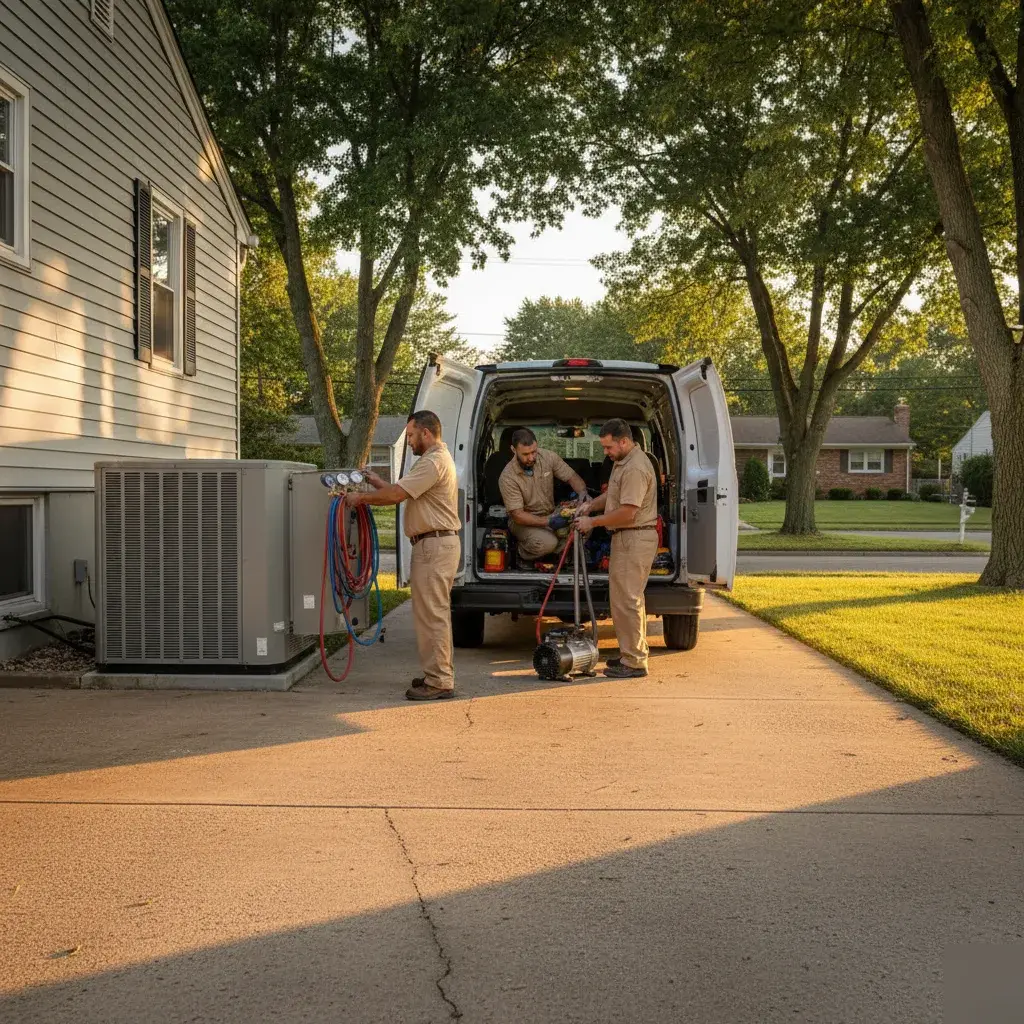
Most people do not think about their system until something breaks. Skipping annual maintenance creates problems that stack up quietly.
The first thing that goes is efficiency. Dust builds on coils. Filters clog. Refrigerant levels drop slowly from small leaks nobody notices. The longer a system goes without a tune-up, the more those small losses tend to add up.
Small Problems Turn Into Big Repairs
A homeowner calls because AC stopped cooling in July. The compressor failed — but the root cause was a dirty condenser coil that made the compressor overheat for months. An AC tune-up visit would have caught that early.
Safety Risks You Cannot See
Gas furnaces and boilers can develop carbon monoxide risks from cracked heat exchangers. Boiler pressure issues can go unnoticed without a professional checking the expansion tank and relief valve. These require trained eyes and proper tools.
On Long Island, humid summers and cold winters put real demand on equipment every year. Annual AC tune-ups and heating seasonal maintenance are how you stay ahead of that wear.
Related Services
- AC Tune-Up in Deer Park, NY
Spring cooling maintenance before peak season.
- Heating Seasonal Maintenance in Deer Park, NY
Fall furnace and boiler checks before winter demand.
Common Questions
- Does humid Long Island weather make annual maintenance more important than in drier areas?
- High moisture levels can cause evaporator coils to collect grime faster, reducing cooling power and stressing the compressor. Humid air also clogs condensate drain lines more quickly, which can lead to water damage. From June through September, your AC runs hard. A system that has not been serviced is working against both heat and humidity at the same time.
- What is the biggest misconception homeowners have about annual maintenance?
- That changing the air filter is enough. A filter swap does not check refrigerant levels, test capacitors, or inspect electrical connections. Those are the parts that fail without warning. Real maintenance follows a full checklist covering dozens of components.
- How do you know if your system actually needs maintenance or is running fine?
- A system can seem fine and still be failing quietly. Low refrigerant, a weak capacitor, or a drifting thermostat will not always trigger obvious symptoms right away. By the time you notice something wrong, the damage is usually already done. A maintenance visit is essentially a preventive diagnostic.
- When should a homeowner call a professional instead of handling upkeep themselves?
- You can safely swap your air filter and keep the area around your outdoor unit clear. Anything involving refrigerant, electrical connections, flame sensors, or coil cleaning needs a trained technician. Refrigerant handling is federally regulated. If your system is short cycling, making unusual noises, or not heating or cooling evenly, call a professional.
- Does skipping one year of maintenance really cause long-term damage?
- Skipping one year will not destroy your system, but it can start a chain reaction. A dirty coil stresses the compressor. A worn capacitor can burn out the fan motor. Small problems compound when they are not caught early. Regular maintenance is one of the more reliable ways to keep energy costs from creeping up over time.
- What parts fail most often in local homes, and can maintenance catch them early?
- Capacitors, contactors, flame sensors, and condensate drain lines are among the most common failures. Capacitors can show early warning signs like swelling before they fail completely. Flame sensors collect residue that causes ignition problems. A technician checks all of these during a routine visit.
Ready to schedule seasonal maintenance?
Written estimates before work begins. Same-day availability when scheduling allows.