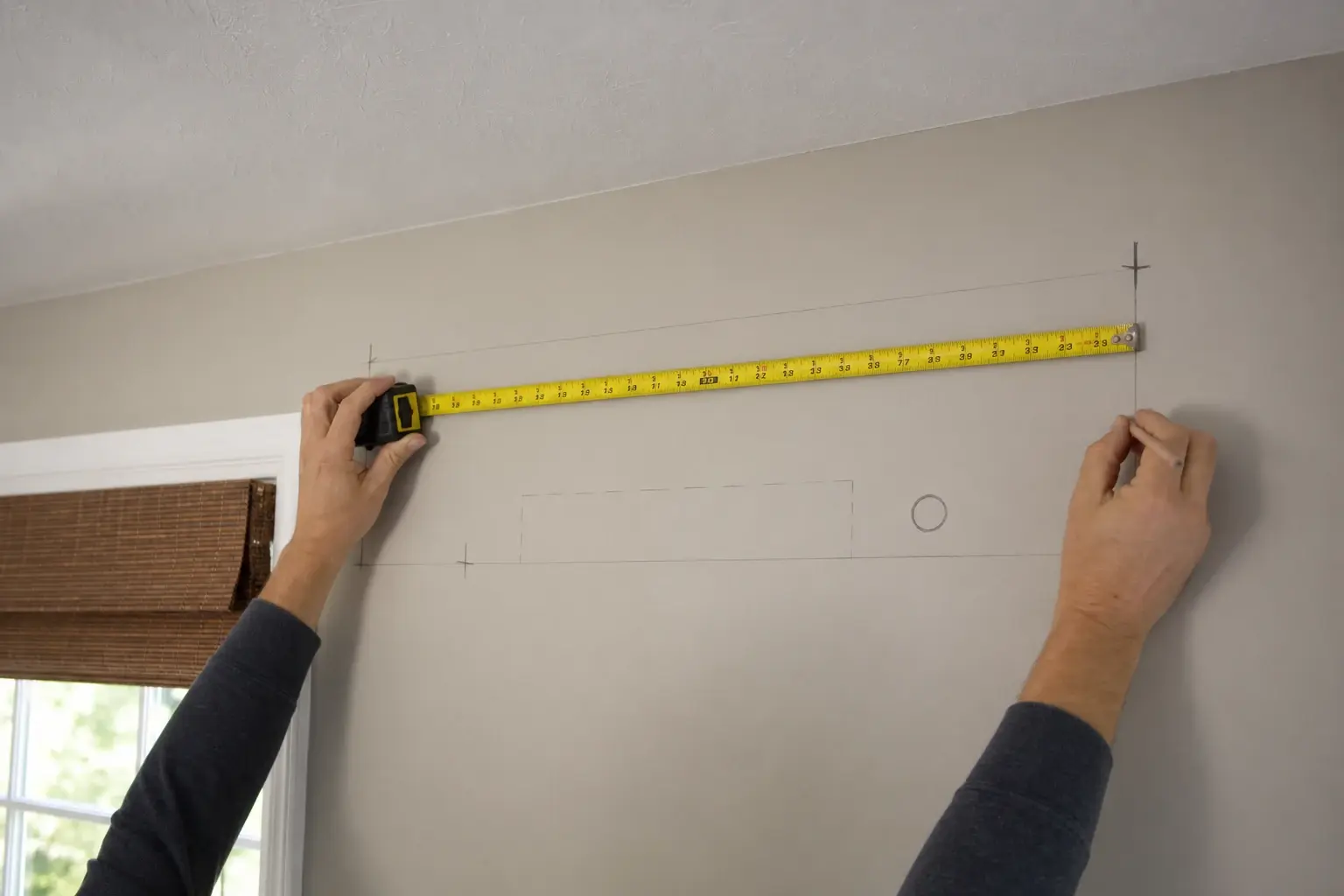
What You Need to Know Before Installing a Ductless Mini Split
A homeowner planning guide — how the system works, what sizing really means, and what to line up before install day.
How a Ductless Mini Split System Actually Works
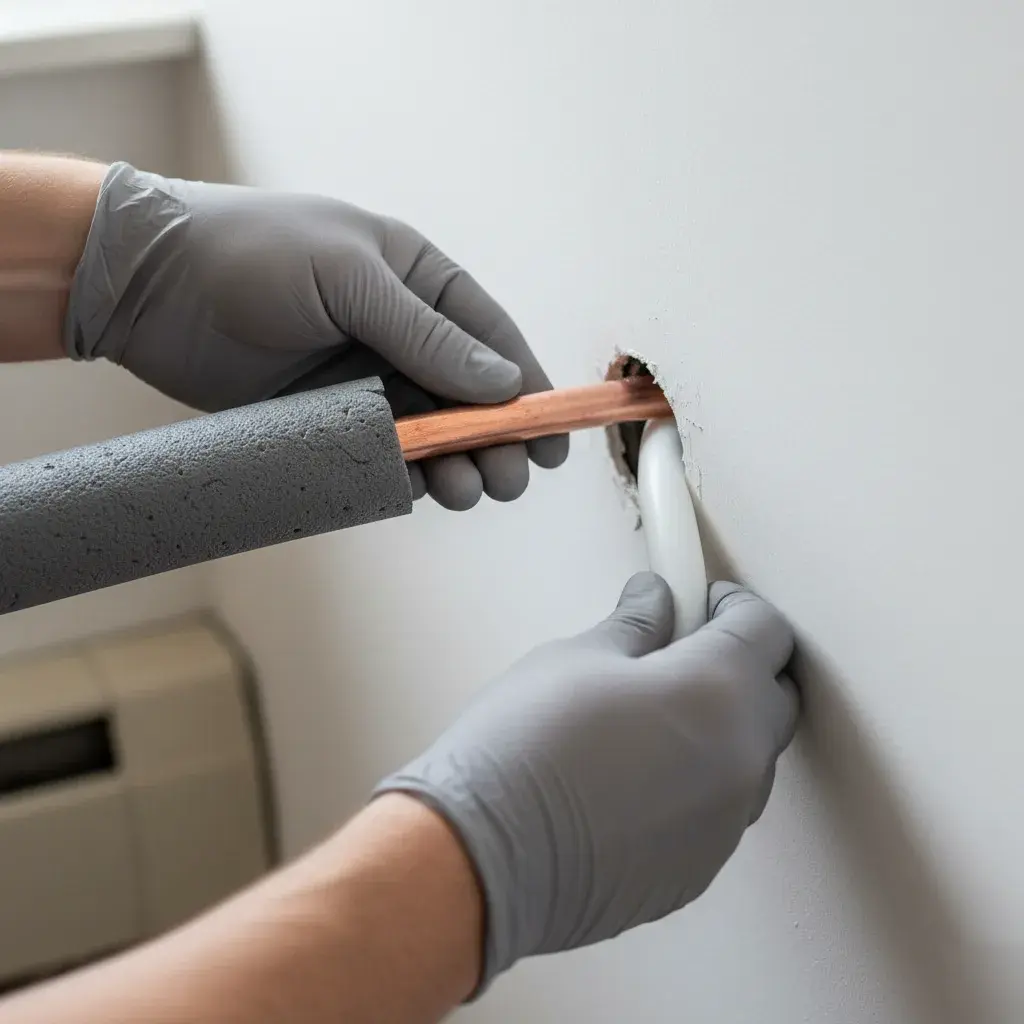
The setup has two main parts: an outdoor condenser and one or more indoor units mounted on walls or ceilings. A small bundle of lines connects them through a hole roughly three inches wide.
The Refrigerant Cycle
The outdoor unit pumps refrigerant through copper lines to the indoor unit. Refrigerant absorbs heat from inside your room, carries it outside, and releases it. The cycle repeats until the room hits the temperature you set.
Many systems run in reverse during winter, pulling heat from outdoor air and moving it indoors. That is why model selection matters when January temperatures drop.
No Ductwork Required
Central AC pushes air through ducts hidden in walls and ceilings. A ductless mini split skips all of that. The connection is refrigerant lines, a power cable, and a condensate drain.
Ductwork can lose a meaningful amount of conditioned air on its way through walls and ceilings before it ever reaches a room. No ducts means none of that loss — cooled or heated air goes straight into the room where you need it.
Single-Zone vs. Multi-Zone
Single-zone: one outdoor unit, one indoor unit, one area. Multi-zone: one outdoor unit powering several indoor heads. A sunroom addition often needs single-zone. Replacing comfort across several rooms may call for multi-zone. The outdoor unit must be sized for the total load — too small and it cannot keep up on a hot humid afternoon; too large and it short cycles.
What You Need to Know Before Installing a Ductless Mini Split
This video explains what homeowners should consider before installing a ductless mini split. The most important question is not only where the unit will fit, but whether it will solve the comfort problem in the space. The video covers room size, ceiling height, insulation, sun exposure, doors, windows, how the room is used, indoor unit placement, outdoor unit location, line-set routing, electrical requirements, drainage, and startup checks. It also explains why a square-foot chart alone is not enough and why professional installation matters for refrigerant connections, electrical work, condensate drainage, and system communication.
Sizing Your System the Right Way Before Installation Day
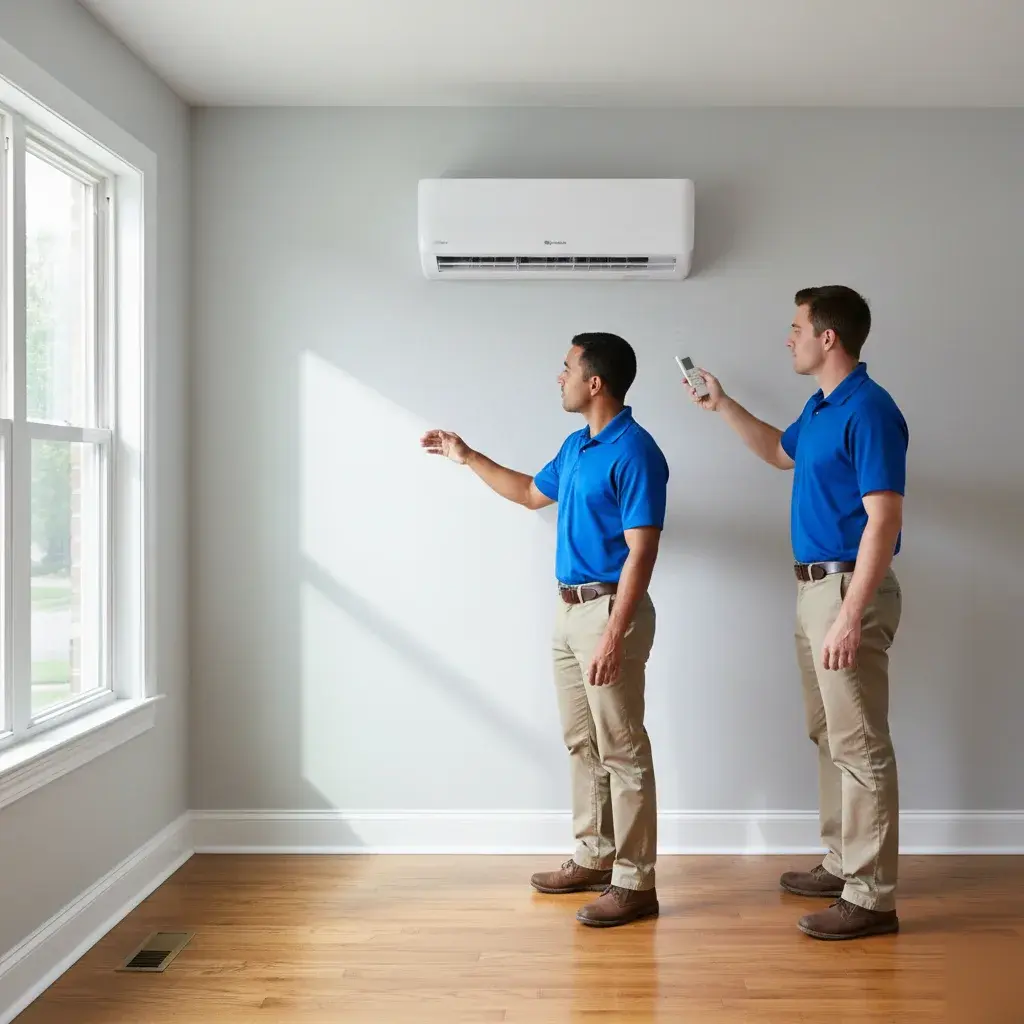
This is where many installations go sideways. Guessing at size — or copying a neighbor's setup — creates problems that do not go away.
An oversized system short cycles: blasts cold air, shuts off, starts again. An undersized system never stops running on the hottest days.
What Goes Into a Proper Load Calculation
- Room dimensions and ceiling height
- Number and size of windows, plus which direction they face
- Insulation quality in walls and attic
- How many people regularly use the space
- Heat-generating appliances and sun exposure
A trained technician uses these inputs — not just square footage — to recommend unit size. That step belongs before any ductless mini split installation.
Electrical Requirements You Must Address Before Installation

Each outdoor unit and indoor head needs dedicated electrical support. Older homes especially may need panel upgrades or new circuits before installation day.
What to Confirm Before Install Day
- Panel capacity for new circuits
- Proper disconnect location near the outdoor unit
- Indoor head placement for airflow and drain routing
- Line set path through exterior walls
- Condensate drain termination that meets code
Line these up during planning — not after equipment arrives. Our ductless mini split services and air conditioning contractor pages cover next steps when you are ready to move forward.
Related Services
- Ductless Mini Split Installation in Deer Park, NY
Professional sizing, mounting, and commissioning.
- Ductless Mini Split Services in Deer Park, NY
Full overview of ductless options and use cases.
- Air Conditioning Contractor in Deer Park, NY
Compare ductless against central cooling approaches.
Common Questions
- Does local humidity affect how a ductless mini split performs?
- High summer humidity puts extra demand on your system. When humidity is high, your indoor unit removes moisture from the air on top of cooling it. A properly sized system handles this well. An undersized one struggles and may never fully catch up. That is why a load calculation matters more in humid climates than in drier ones.
- Can a ductless mini split handle winters when temperatures drop into the 20s?
- Many modern ductless mini splits work as heat pumps and can pull heat from outdoor air even when it is cold. Some models are rated to operate at very low outdoor temperatures. However, not every unit on the market is built for that. Before you buy, check the low-temperature heating rating on the specific model you are considering.
- What is a common mistake homeowners make when sizing a ductless mini split?
- Choosing a unit based only on square footage charts. Those charts give a rough starting point, but they ignore window size and direction, insulation quality, ceiling height, and how many people use the space. Skipping a proper load calculation often means buying the wrong size, which causes short cycling, uneven temperatures, and faster wear on parts.
- What is the difference between a single-zone and a multi-zone mini split system?
- A single-zone system connects one outdoor unit to one indoor unit — one room or one area. A multi-zone system connects one outdoor unit to several indoor units throughout your home. Single-zone works well for adding comfort to one room. Multi-zone makes more sense if you want to condition several rooms at once.
- Do older homes need special preparation before a ductless mini split is installed?
- Older cape-style and ranch layouts often have thinner insulation and single-pane windows. These factors change how hard your system has to work. Before installation, it helps to know where insulation is weak and whether your electrical panel can support the new equipment. A proper site visit flags these issues before install day.
- Should I install a ductless mini split myself or hire a professional?
- Professional installation is the practical choice for most homeowners. Refrigerant work requires proper tools and training. Incorrect line connections or improper electrical work can damage the system or create safety risks. A professional also performs the load calculation, checks your electrical panel, and sets up the system correctly from day one.
Ready to plan your ductless installation?
Start with a site visit, load calculation, and written scope before any equipment is ordered.