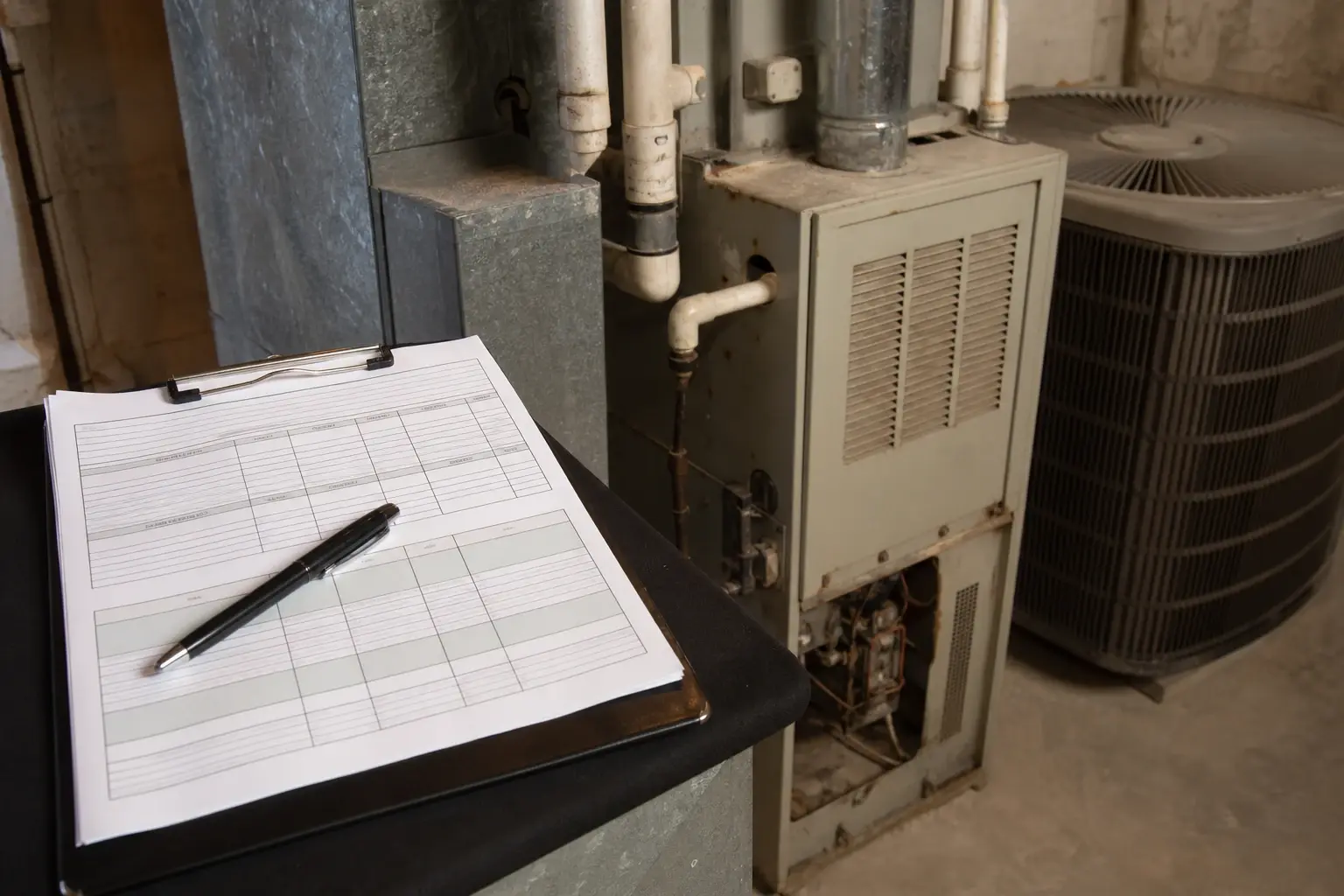
HVAC $5,000 Rule: Repair or Replace?
A rough homeowner shortcut — not a law, not a guarantee, and not a substitute for professional diagnosis. Multiply system age by repair cost to frame your next decision.
The $5,000 Rule Gives You a Simple Formula
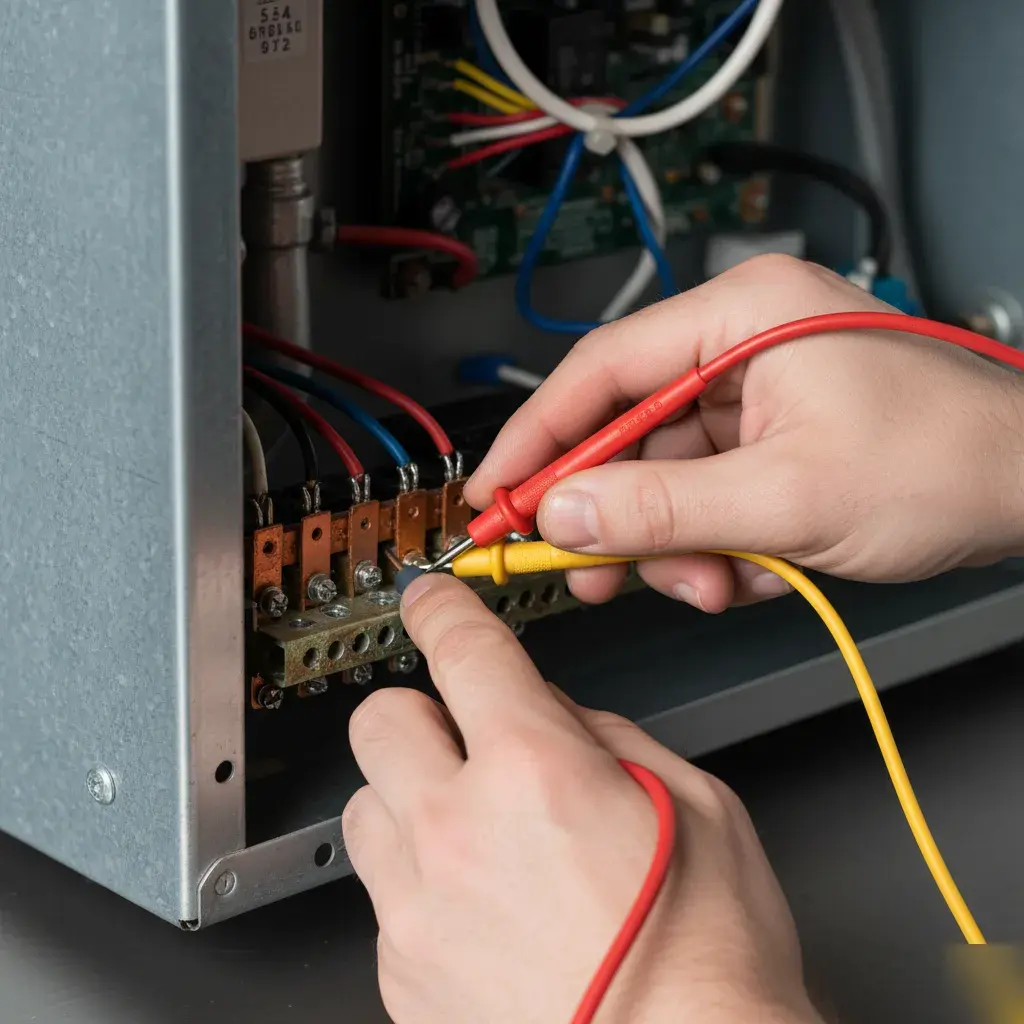
Here is how it works. Take the age of your system and multiply it by the cost of the repair. If the result is more than $5,000, replacement may make more sense. Under $5,000, the repair is probably worth doing. That is the whole formula.
Say your air conditioner is 8 years old and the repair estimate is a few hundred dollars. Multiply the age by that example estimate and the result likely stays under the threshold, so repairing is reasonable. If that same system is 14 years old and needs a similar-sized fix, the math can land above $5,000. Now you are over the line, and it is time to think seriously about central AC replacement.
If the math points toward a new system, don't decide it in a hot hallway. It helps to weigh install vs replacement with the numbers in front of you, since the right call depends on your system's age, condition, and refrigerant.
Technicians use this formula with homeowners during an AC diagnostic or heating diagnostic. It gives you a starting point — not a final answer — but a clear way to frame the decision.
Why the Formula Helps
The rule accounts for two things at once: how expensive the fix is right now, and how much life the system realistically has left. A modest repair on a 5-year-old unit is easy to justify. That same repair on a 17-year-old furnace? You are putting money into equipment that could fail again before next winter.
It is not just about today's bill. It is about the likelihood of another repair call six months from now. Older systems break down more often. On Long Island, year-round heating and cooling demand accelerates wear compared with milder climates.
The $5,000 rule is a guideline. It does not replace a professional evaluation. Some systems run fine at 15 years with proper seasonal maintenance. Others start falling apart at 9. The formula helps you ask the right questions — it does not answer all of them.
HVAC $5,000 Rule: Should You Repair or Replace?
This video explains the HVAC $5,000 rule and how homeowners can use it as a starting point when deciding whether to repair or replace a system. The rule multiplies the age of the system by the estimated repair cost. If the result is over $5,000, replacement may be worth discussing. The video also makes clear that this is only a guideline, not a law, guarantee, or substitute for diagnosis. System age, condition, repair history, comfort problems, refrigerant type, and connected components all matter. A written estimate gives homeowners better information before making a major repair-or-replace decision.
How to Use the $5,000 Rule Step by Step
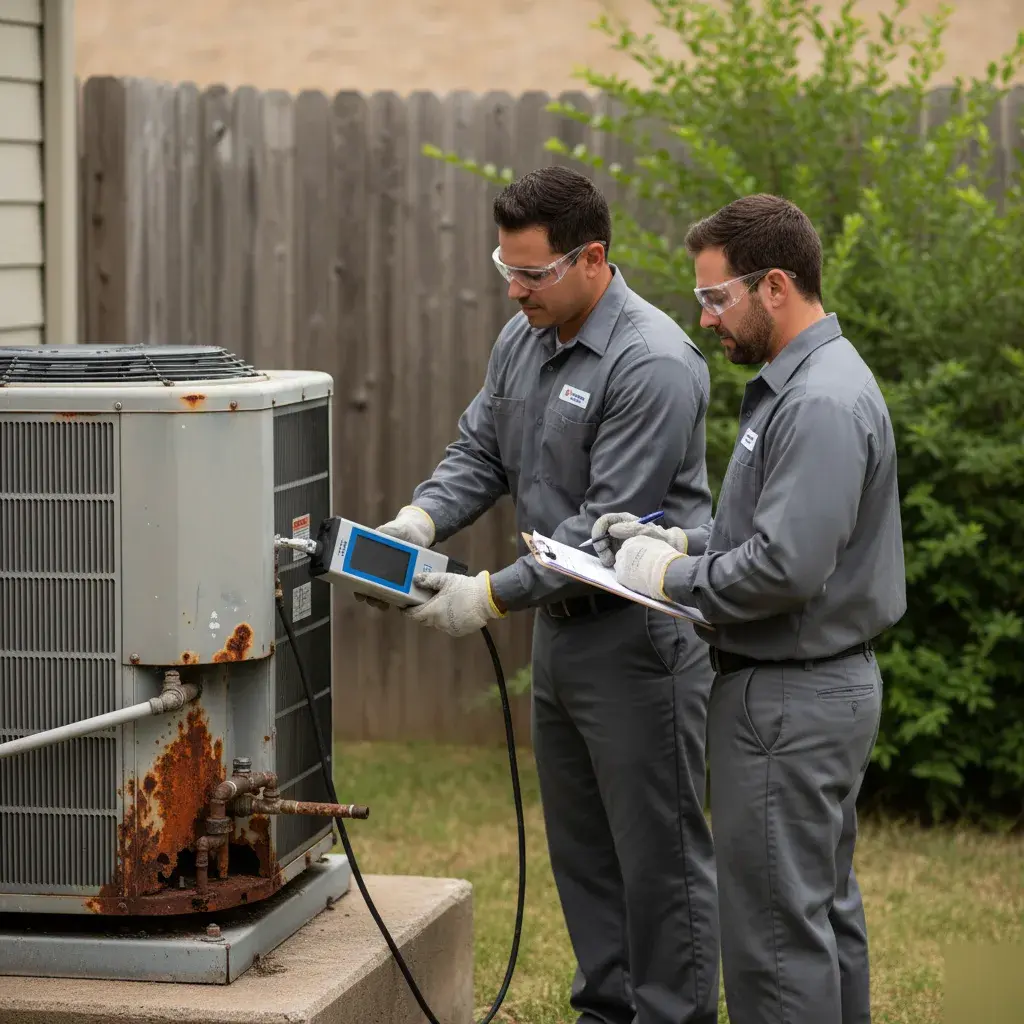
Open your phone's calculator. It takes about two minutes. Here is the process:
- Find out how old your system is. Check the label on your outdoor unit or indoor air handler. If you cannot find it, your technician can confirm the age during a diagnostic.
- Get a written repair estimate. Do not guess the cost. A compressor failure carries a very different price tag than a capacitor swap. You need the actual figure before the math means anything.
- Multiply age by repair cost. If the result lands above $5,000, the math suggests replacement. Below it, repair often makes sense.
- Factor in recent repair history. The rule does not account for past repairs on its own — you have to think about the pattern yourself.
- Make your call with logic behind it. Either way, you have reasoning instead of a gut feeling when the house is uncomfortable.
A Common Example
A homeowner calls because central AC stopped cooling. The system is 11 years old. After a full diagnostic, the compressor has failed. The repair estimate might be several thousand dollars for compressor replacement.
Multiply 11 by that estimate — the result can land well over $5,000. The math points toward replacement rather than putting money into ageing equipment. A compressor failure on an older unit often means other parts are close behind.
Flip the scenario: the system is only 4 years old and needs a capacitor replacement at a few hundred dollars. That result stays well under the threshold. Repair it and move on.
Where People Get Tripped Up
The biggest mistake is using a rough guess instead of a real estimate. Another common error is underweighting age. The rule exists for moments when a 16-year-old furnace "always worked fine" — until today it needs a major fix.
Do not let the math push you into replacing a system that is only 5 or 6 years old. The rule works in both directions.
Factors That Can Change What the Rule Tells You
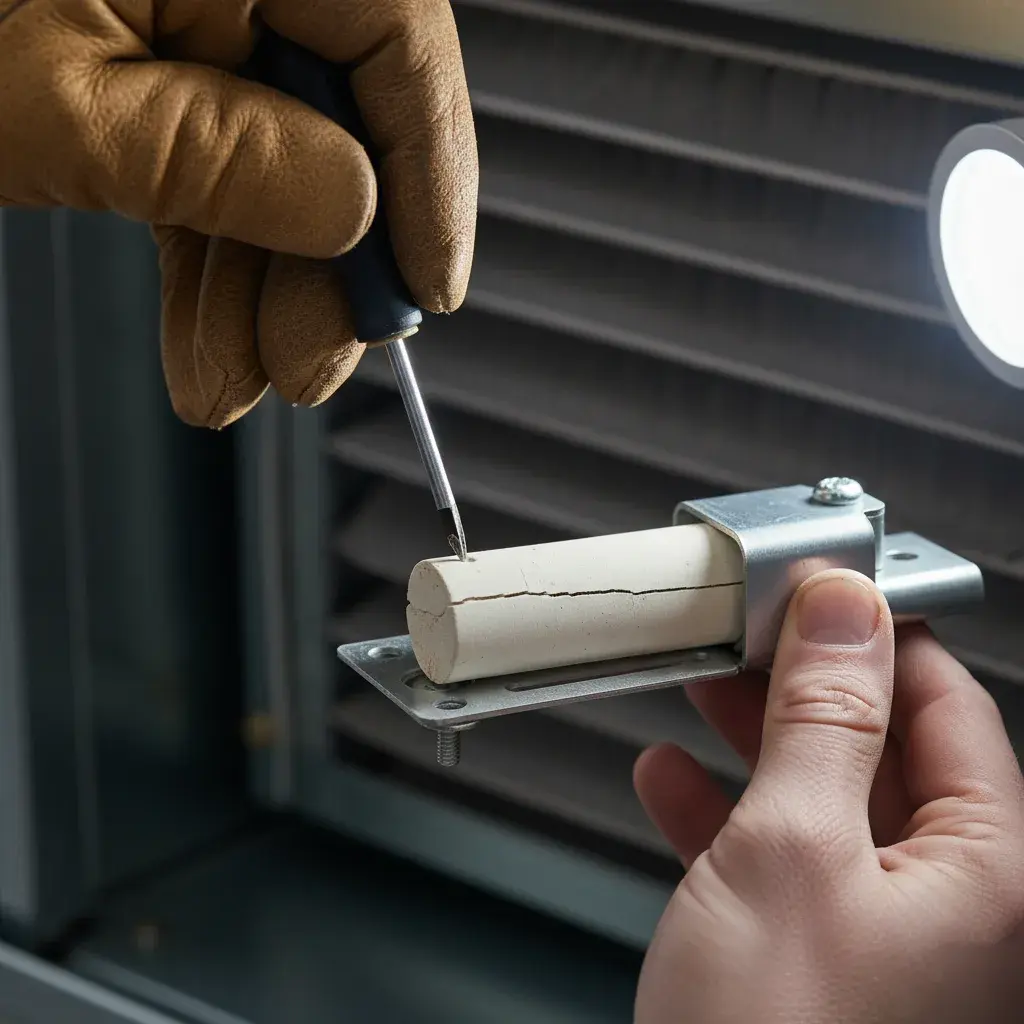
The $5,000 rule gives you a solid starting point. It is not the whole picture.
Repair History Matters
One repair does not mean your system is failing. A pattern tells you something different. If you already paid for a compressor replacement and then needed another fix six months later, that is a trend worth attention. Keep a simple log of every service call — date, cost, what was fixed.
Energy Bills Can Be a Hidden Cost
An older system that still works might cost noticeably more per month than a newer, efficient one. Replacing an ageing system can meaningfully lower energy use, especially when the old equipment has been struggling for a while. The $5,000 rule does not factor in those monthly losses — you weigh them yourself.
The Type of Repair Changes Everything
- A thermostat replacement or tune-up is normal upkeep — not a sign the system is dying.
- An evaporator coil or air handler replacement on an older unit is a major repair — a sign the system is ageing out.
- Refrigerant leak repair on systems using older refrigerant types can be especially costly as phase-out regulations tighten.
- Repeated short cycling suggests deeper electrical or mechanical issues a single fix may not resolve.
Your Comfort Goals Count Too
Sometimes the math says repair but your experience says otherwise. Maybe the upstairs is always warm, or you are tired of calling for service every season. Those things are real. The $5,000 rule is a tool — combine it with repair history, energy costs, and how the system performs day to day.
If you are weighing these factors and still unsure, an AC diagnostic or furnace repair visit can help you see the full picture with a written estimate before any work begins.
Related Services
- AC Diagnostic in Deer Park, NY
Get a written repair estimate and system age before you run the numbers.
- Central AC Replacement in Deer Park, NY
When the math points toward replacement, see what a new system involves.
- Furnace Repair Service in Deer Park, NY
Heating repair-or-replace decisions start with the full furnace service hub.
- Furnace Repair in Deer Park, NY
Heating repairs follow the same decision framework as cooling.
Common Questions
- What is the $5,000 rule for heating and cooling, and how do I use it?
- The $5,000 rule is a simple formula: multiply your system's age by the repair cost. If the result is over $5,000, replacement often makes more sense. Under $5,000, the repair is likely worth doing. You need two real numbers — the actual age of your equipment and a written estimate from a technician. Guessing on either one makes the formula useless. Get an AC or heating diagnostic first, then run the math.
- Does Long Island climate make systems wear out faster than average?
- Year-round demand can accelerate wear. Hot summers push air conditioners hard for months. Cold winters put real demand on furnaces and boilers too. Much of Deer Park's housing stock dates to the 1940s through 1960s, so you are often dealing with ageing ductwork alongside older equipment. That context makes the $5,000 rule a useful starting point — not a final answer.
- What is the biggest mistake people make when using the $5,000 rule?
- Using a rough guess instead of a real repair estimate. If you plug in a number you made up, the formula gives you a made-up answer. The math only works when both inputs are accurate — the system's actual age and a written cost from a qualified technician. A proper diagnostic gives you the real figure.
- Should I factor in past repairs when using the $5,000 rule?
- The rule only looks at today's repair, not your history with the system. But you should think about past repairs yourself. If you paid for a major fix last season and now face another big bill, those costs add up fast. A pattern of repairs on an ageing system is a strong signal on its own.
- Can a newer system still fail the $5,000 rule test?
- It is rare, but yes. A very expensive repair on a system that is only 8 or 9 years old could push the result past $5,000. In that case, the formula still applies — but age matters too. A 9-year-old system likely has more useful life ahead than a 16-year-old one. The $5,000 rule is a guideline, not a final verdict.
- How do I find out how old my system is if I do not have the paperwork?
- Check the label on your outdoor unit or indoor air handler for a manufacture date. If the label is faded or missing, the model number often contains a date code a technician can decode. Do not estimate the age — even being off by two or three years can change your result. A diagnostic visit can confirm the exact age.
Not sure whether to repair or replace?
We can run a full diagnostic, confirm your system age, and give you a written estimate you can plug into the formula.