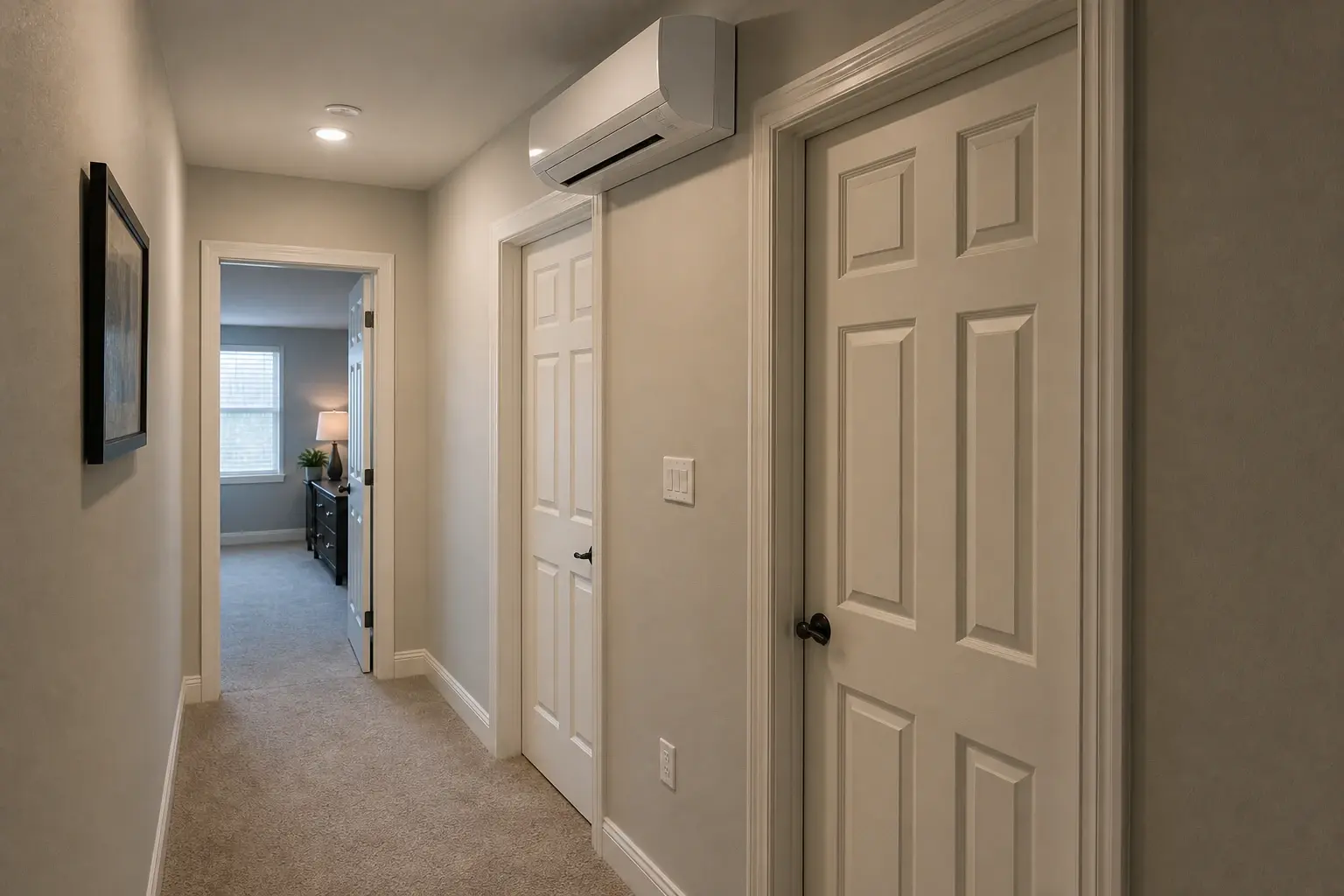
What Are the Disadvantages of a Ductless Mini Split System?
Ductless systems solve real problems — but they are not the right fit for every home. Here is an honest look at the tradeoffs before you commit.
Higher Upfront Costs Than Many Homeowners Expect
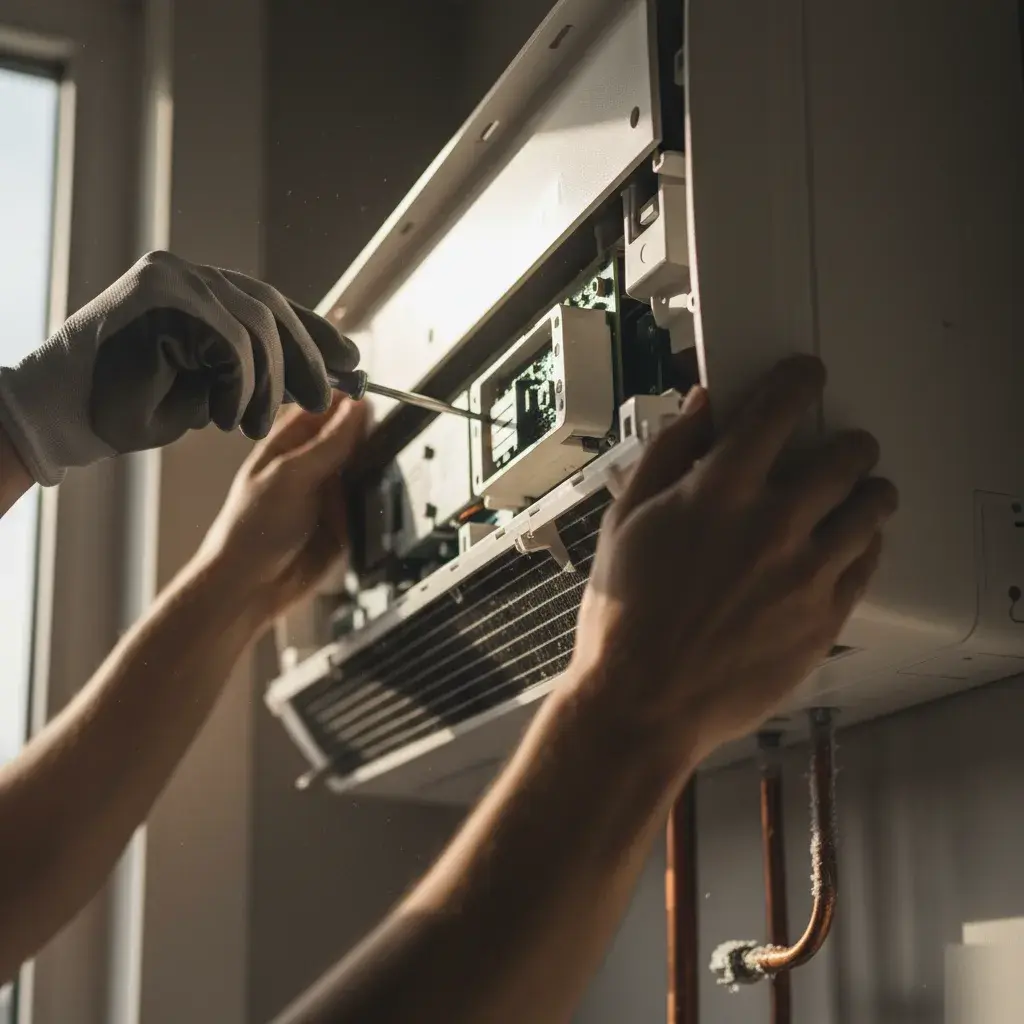
Installing a ductless mini split typically costs more per zone than adding capacity to an existing central system. A single-zone setup handles one room — fine for a bonus room or garage conversion. But most homes need cooling in multiple rooms, and each zone needs its own indoor unit, refrigerant lines, and electrical connections.
Why Multi-Zone Setups Get Expensive
A typical three-bedroom home might need three or four indoor units connected to one outdoor condenser. Every indoor unit requires a line set through the wall, its own drain line, and its own electrical work. That is substantially more labor and material than a single-zone setup.
Central AC uses one air handler and existing ductwork to reach the whole house. Where ducts already exist, central air is often simpler per room than a head in every space.
A common surprise: a homeowner assumes one outdoor unit and one indoor unit will cool an entire ranch-style home. It will not. They actually need a multi-zone system with several heads — and the total cost can land well above what they first budgeted.
Installation Takes More Involved Work
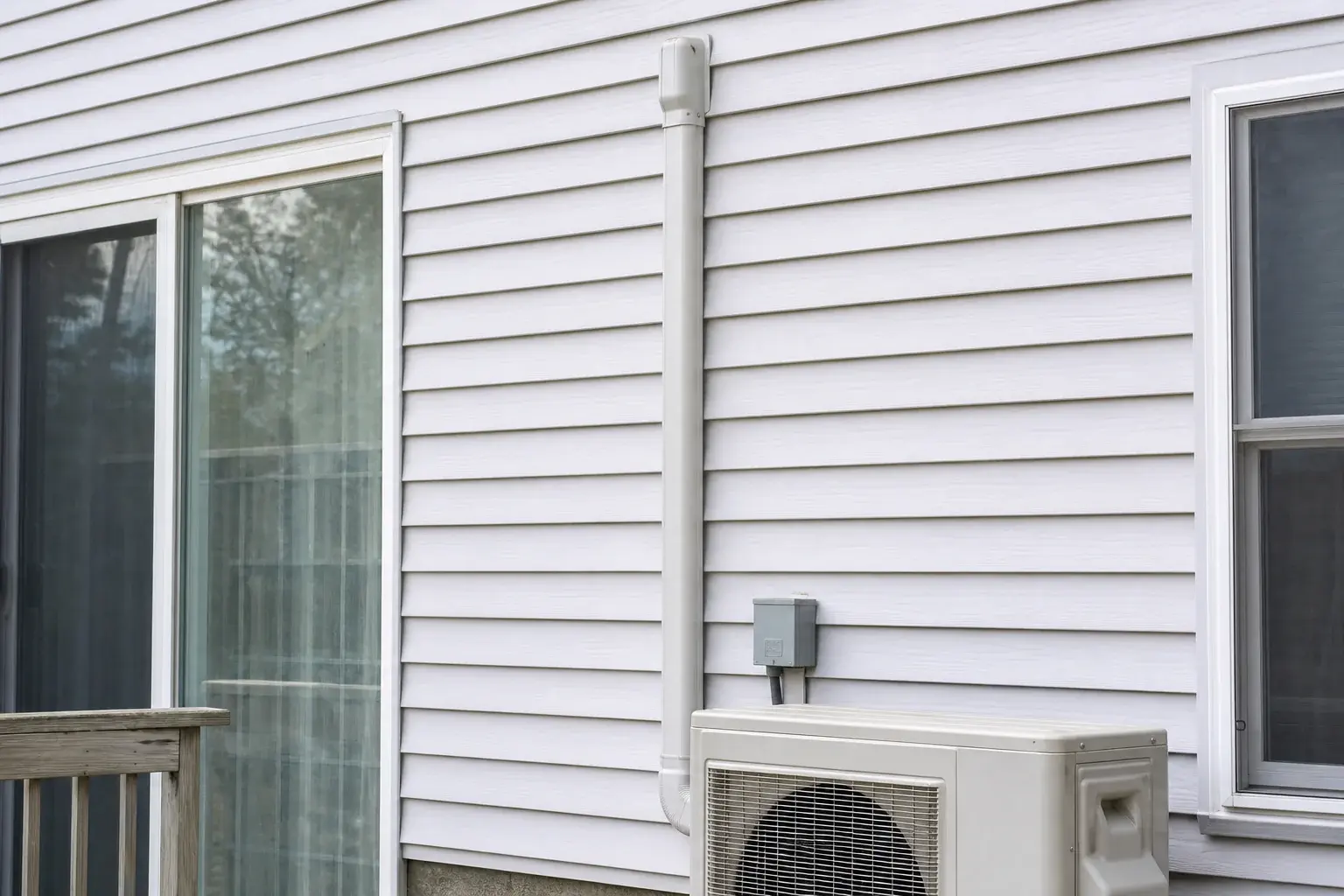
Each indoor unit needs a small hole through an exterior wall. Refrigerant lines, condensate drain, and power cable pass through that opening. A technician mounts the unit, connects the lines, pressure-tests the system, and charges refrigerant for every zone. A four-zone installation can take a full day or more.
The upfront number does not tell the whole story. Mini splits often use less energy over time because there is no duct loss. You may pay more on day one and see lower monthly bills for years after — but that long-term math only helps if the initial cost fits your budget.
See our ductless mini split installation page for what a professional assessment involves.
What Are the Disadvantages of a Ductless Mini Split System?
This video gives a balanced explanation of ductless mini split tradeoffs. Ductless systems can be a good fit for additions, garages, finished basements, sunrooms, and rooms where ductwork is not practical, but they need careful planning. The video explains zone comfort, placement, visible indoor wall units, exterior line-set covers, cold-weather model selection, maintenance, filters, coils, and drainage. It also explains why one indoor unit may not condition multiple closed-off rooms evenly. These considerations do not make ductless a bad choice. They help homeowners understand whether ductless is the right fit for the specific room, layout, and comfort goal.
Mini Splits Struggle in Closed Floor Plans
A wall-mounted indoor unit pushes air from one fixed point. That works well in open-concept spaces. Many older homes were not built that way — lots of walls, hallways, and smaller rooms block airflow.
Why Walls Create Dead Zones
These systems rely on a fan to blow conditioned air into the room where the unit is mounted. There are no ducts carrying air to other parts of the house. Every closed door becomes a barrier.
Central AC uses a network of ducts delivering air to every room through its own vent. A mini split is more like a powerful fan in one spot — effective in that space, limited by walls and doors.
Common signs of uneven distribution:
- The room with the indoor unit feels comfortable while adjacent rooms stay warm
- You keep lowering the setpoint trying to reach distant spaces
- Hallways and bathrooms never seem to get conditioned air
This is not a flaw in the equipment — it is how the physics work. The unit does what it was designed to do. The disadvantage is expecting one head to serve a whole closed floor plan.
Cold Weather Performance Has Real Limits

Many ductless systems double as heat pumps. Cooling performance in summer is generally strong. Heating performance in winter depends heavily on the model and outdoor temperature rating.
Not Every Unit Handles Cold Nights Equally
Standard mini splits can lose heating efficiency as outdoor temperatures drop. Cold-climate models are built for lower outdoor temperatures — but they cost more and still have limits. If you plan year-round heating from a ductless system, model selection matters.
When Ductless Still Makes Sense Despite the Drawbacks
Ductless shines for additions, sunrooms, garages, and homes without usable ductwork. It is also strong when you want room-by-room control. The disadvantages matter most when someone expects a single zone to replace whole-house central comfort.
Explore options on our ductless mini split services page, or ductless repair if you already own a system that is underperforming.
If you've weighed the tradeoffs and ductless still fits your home, our ductless installation and repair services cover both.
Related Services
- Ductless Mini Split Services in Deer Park, NY
Overview of ductless options for local homes.
- Ductless Mini Split Installation in Deer Park, NY
Professional sizing and zone planning before install day.
- Ductless Mini Split Repair in Deer Park, NY
When an existing ductless system needs service.
Common Questions
- Do ductless mini splits work well in older homes with lots of small rooms?
- They can work, but older homes with closed floor plans create real challenges. Many local homes were built with separate rooms, hallways, and walls that block airflow. A single indoor unit can only condition the room it is mounted in. Air will not travel around corners or down hallways. If your home has three or four separate bedrooms, you will likely need a unit in each space. That means more equipment and more installation work than many people plan for.
- Is a ductless mini split a good choice if I only want to cool one or two rooms?
- Yes, a single-zone or two-zone setup is where mini splits often make the most sense. The upfront cost is easier to manage when you are only adding one or two indoor units. Problems come when homeowners assume one outdoor unit and one indoor unit will condition an entire house. It will not. A whole-home setup can require four or five indoor heads, which changes the cost and complexity completely.
- What is the biggest mistake homeowners make when choosing a mini split system?
- Underestimating how many zones the home actually needs. People hear ductless mini split and picture one simple unit cooling everything. Then they find out each room needs its own indoor unit, refrigerant line, and electrical connection. A mid-size home often needs four zones, not one. Getting a proper zone assessment before you commit saves frustration later.
- How does local climate affect how well a mini split performs year-round?
- Hot summers and cold winters both matter. Mini splits handle cooling well in summer heat. In colder months, some models lose efficiency when temperatures drop sharply. Winter lows on Long Island can push into the 20s on bad nights. Not every mini split is rated for that range. If you plan to heat with the system year-round, you need a cold-climate heat pump model rated for low outdoor temperatures.
- When should I call a professional instead of handling a mini split issue myself?
- Call a professional any time refrigerant is involved. Refrigerant work requires proper tools and training — not a DIY task. You should also call a pro if your system is not cooling evenly, if you hear unusual sounds, or if the drain line is backing up. Mounting and wiring a new indoor unit also requires qualified electrical work. Attempting those jobs without the right training can void equipment warranties and create safety risks.
- Will a mini split save money on energy bills even with the higher upfront cost?
- It can, but it depends on your home and how you use the system. Ductwork can lose a meaningful amount of conditioned air before it reaches a room, in a typical central ducted system. Mini splits have no ducts, so you avoid that loss. Over several years, lower monthly bills can offset higher installation cost. But if your home needs five or six zones, the upfront investment is larger and payback takes longer. Every home is different.
Weighing ductless for your home?
A zone assessment and written estimate help you see real costs and layout limits before installation begins.