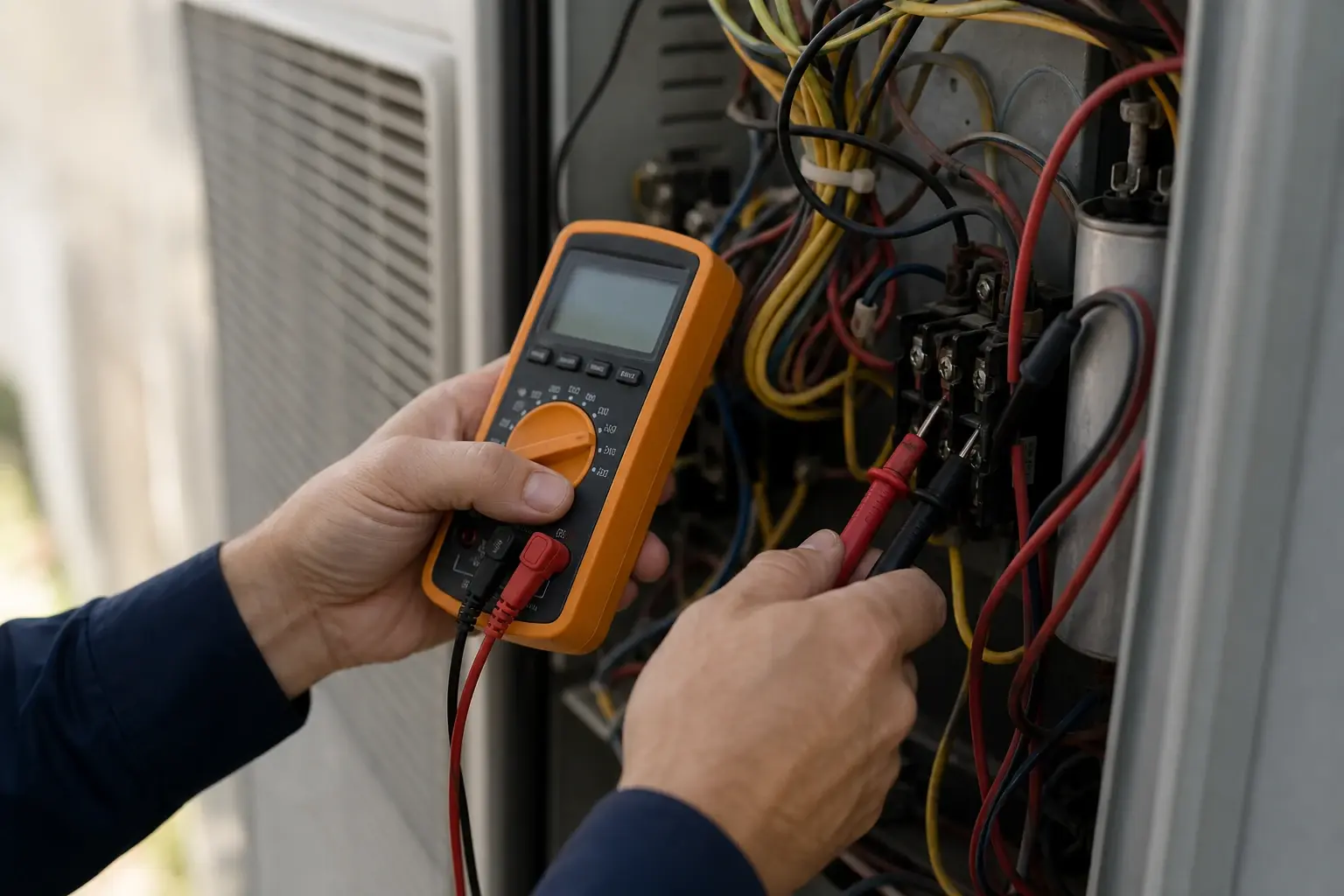
Hidden HVAC Problems Homeowners Miss
Slow refrigerant leaks and weak capacitors make no sound — but left alone for a few months, they can turn into repair bills that run into the thousands.
Most Hidden Problems Start Small and Get Expensive Fast
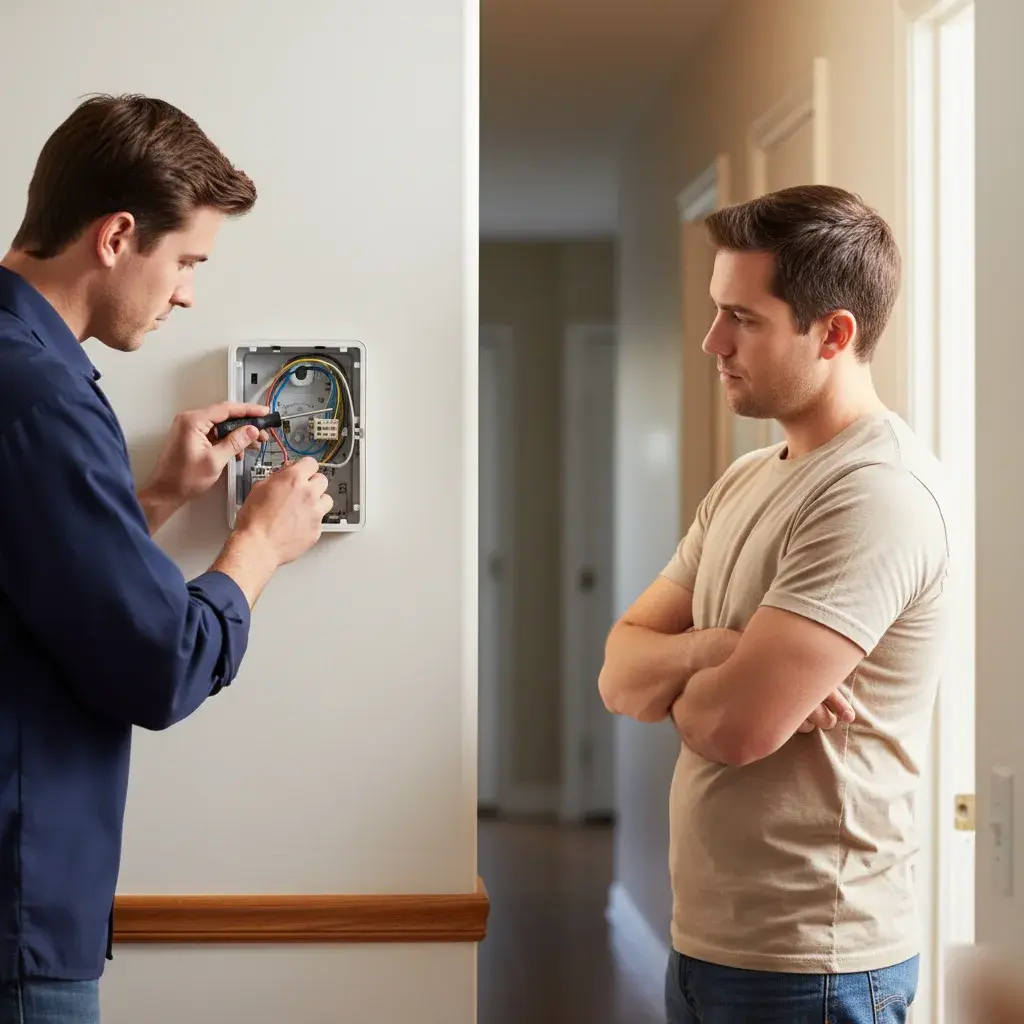
A homeowner calls because AC stopped working in July. A diagnostic finds a burned-out compressor — but that compressor was struggling for weeks because of a slow refrigerant leak nobody caught. What could have been leak detection and repair turned into compressor replacement. Caught in time, this is a routine visit — but you have to go looking. The right tools find a slow refrigerant leak before it drains the charge and quietly overworks the compressor.
Small problems we find most often hiding behind big failures:
- Slow refrigerant leaks forcing longer cycles and burning out major components
- Dirty or corroded flame sensors causing intermittent furnace shutdowns
- Weak capacitors — for example, a weak capacitor can make a system short cycle for weeks before it finally refuses to start — an easy fix early, a stranded-on-a-hot-day problem if it's ignored
- Clogged evaporator coils restricting airflow and stressing the air handler
Why Small Problems Hide So Well
Your system is built to push through minor issues. A furnace with a dirty flame sensor will still fire up most of the time. An AC with slight refrigerant loss will still cool — it just runs longer.
Most of these parts sit behind panels or inside the ductwork, which is exactly why they hide so well. Catching them early is the whole point of a proper AC diagnostic, which works through the system in order instead of reacting to a single symptom.
The Cost Gap Is Real
Heating and cooling are typically among the biggest line items on a home's energy bill. When your system runs inefficiently because of a hidden problem, you pay more every day — then the big repair bill lands on top.
If your system runs longer than usual, one room feels warmer than the rest, or utility bills jumped without explanation, something small is probably happening right now.
Hidden AC Problems That Quietly Destroy Your Compressor
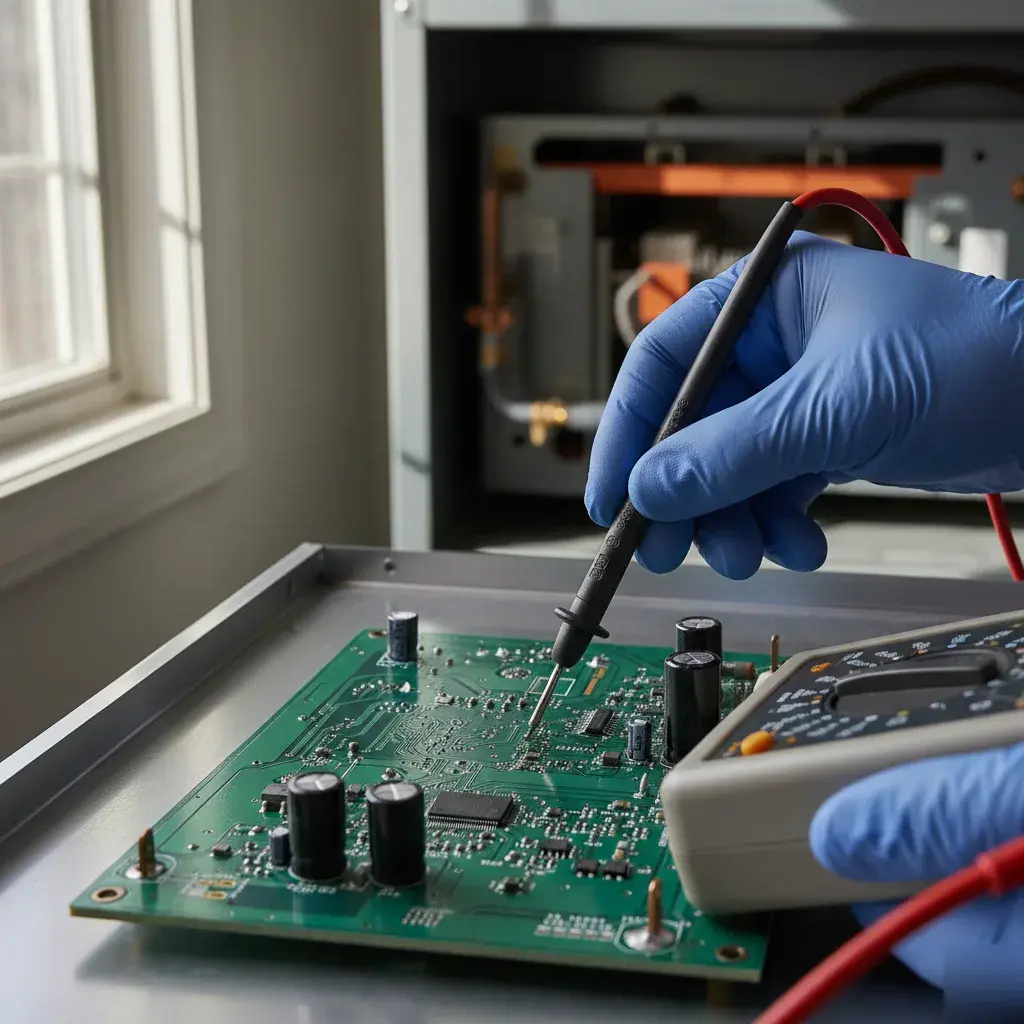
Your compressor is the most expensive part of your AC system — and the most vulnerable. When other parts fail quietly, the compressor works harder to compensate.
Hidden problems that kill compressors before their time:
- Low refrigerant from slow leaks — we find these on service calls more than almost any other issue
- A failing capacitor straining the compressor on every startup
- Dirty evaporator coils preventing proper heat release
- Short cycling sending electrical surges through the compressor dozens of extra times per day
Catching It Before It Is Too Late
An AC diagnostic checks refrigerant levels, tests the capacitor, inspects the evaporator coil, and monitors cycle times. If you suspect a leak, refrigerant leak detection locates the source before compressor damage sets in.
A low refrigerant charge on its own can noticeably hurt how efficiently the system runs, and the compressor tends to take the brunt of that strain.
Furnace Warning Signs Most Homeowners Miss
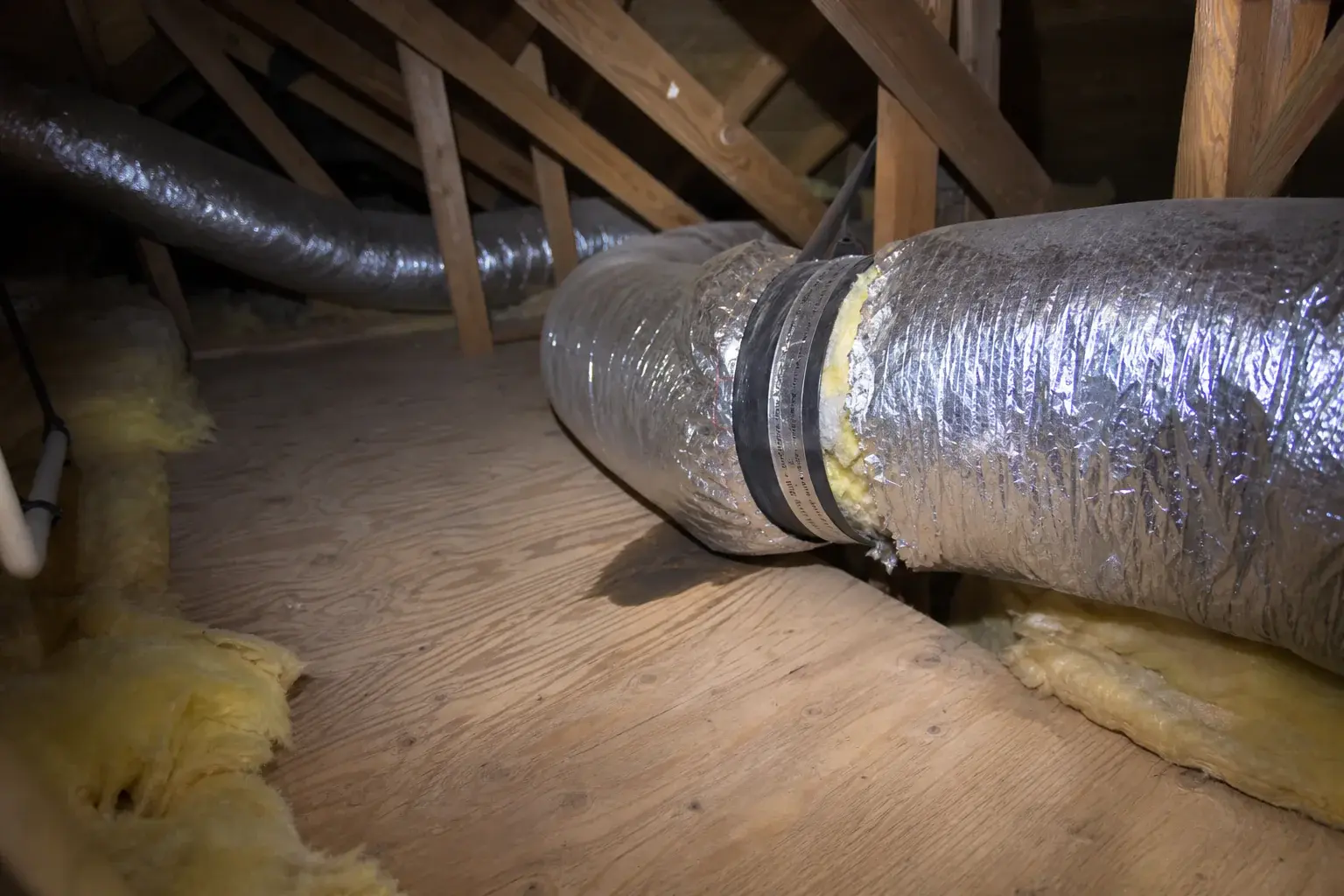
We get calls every winter from homeowners who say the same thing: it was working fine until it was not. But there were signs for weeks or months.
Strange Sounds That Are Not Normal
A low hum when your furnace kicks on is expected. A loud bang, pop, or screech is not. Banging often points to delayed ignition. Screeching usually means a blower motor bearing is failing.
Short Cycling
If your furnace turns on, runs for a few minutes, shuts off, then starts again quickly, that is short cycling. The limit switch may be tripping because the unit is overheating, or the flame sensor could be dirty.
Yellow or Flickering Pilot Flame
A healthy furnace flame burns blue. Yellow or orange can mean incomplete combustion — a performance and safety concern.
Cold Spots and Uneven Heating
Some rooms feel warm while others stay cold. Often the real problem is inside the system — a failing blower motor, clogged filter, or duct leaks.
Rising Energy Bills With No Explanation
If usage has not changed but bills keep climbing, your furnace may be working harder than it should. A heating diagnostic often reveals the cause before the problem grows.
Catching these signs early is the difference between a repair and a replacement. If anything on this list sounds familiar, schedule a diagnostic before the problem escalates.
Related Services
- Air Conditioning Repair Service in Deer Park, NY
Full AC repair routing when hidden problems need more than a quick check.
- AC Diagnostic in Deer Park, NY
Trace cooling problems from thermostat to condenser.
- Heating Diagnostic in Deer Park, NY
Find furnace and boiler issues before winter breakdowns.
- Refrigerant Leak Detection in Deer Park, NY
Locate slow leaks before they destroy your compressor.
Common Questions
- How does older housing stock make hidden problems worse?
- Older homes are more vulnerable because ageing equipment degrades quietly. Much local housing stock dates to the 1940s through 1960s, so ductwork, refrigerant lines, and equipment may be well past design life. Older systems do not signal trouble the way newer ones do — they slowly wear down until something breaks.
- What are the early warning signs that a hidden problem is developing?
- Slightly higher energy bills, one room that feels warmer than the rest, or a system that runs longer cycles than it used to. These are quiet signals — not dramatic failures. Most homeowners miss them because the system still seems to be working.
- What is short cycling and why should I worry about it?
- Short cycling is when your AC turns on and off every few minutes instead of running a full cooling cycle. Each startup sends a surge of electricity through your compressor. Dozens of extra startups per day stress the motor. A system that short cycles often has an underlying cause — like a weak capacitor or refrigerant issue.
- Is it a common mistake to wait until the AC stops working before calling a technician?
- Yes. By the time your AC quits, a small problem has usually already damaged a major component. A slow refrigerant leak can turn into a full compressor replacement. A dirty flame sensor can lead to igniter failure plus after-hours labor costs. Catching problems early through routine maintenance almost always costs less.
- When should a homeowner call a professional instead of handling an issue themselves?
- Call a professional when the problem involves refrigerant, electrical components, or anything inside the unit panels. You can safely change air filters and keep vents clear. Refrigerant problems should be handled by a trained technician. If your system is short cycling, running longer than normal, or your bills jumped without explanation, that is the moment to call.
- Can a dirty evaporator coil really destroy an AC system over time?
- Yes. When the coil gets clogged, airflow is restricted and heat exchange breaks down. Your compressor cannot release heat properly, so it runs hot. Over time, internal components can warp and seize. The coil sits inside your air handler where you cannot see it during daily life — which is exactly why it causes so much silent damage.
Notice higher bills or uneven comfort?
A diagnostic visit can catch small problems before they become major repairs.