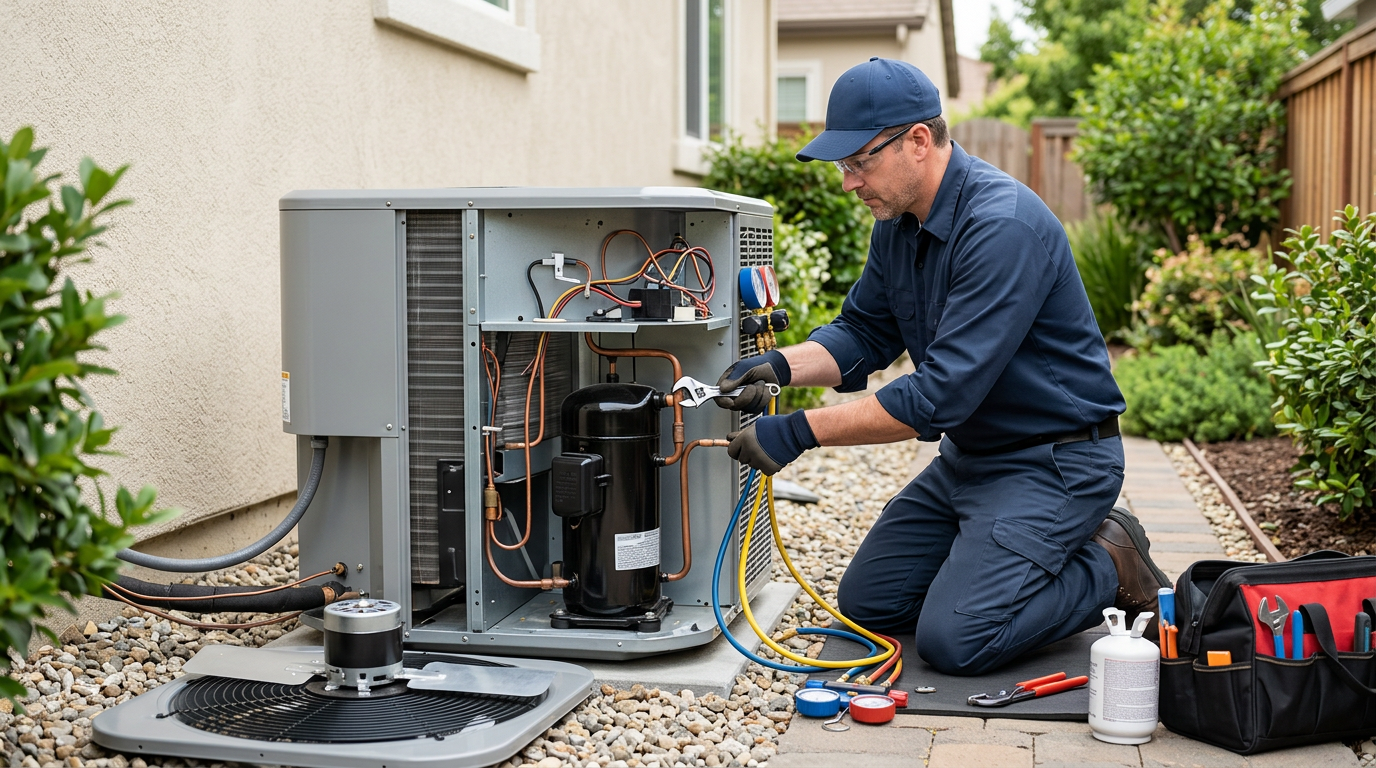
AC Compressor Replacement in Deer Park, NY
The compressor is the heart of your AC system. When it fails, you need honest information and a clear estimate before deciding whether to replace the compressor or the whole unit.
- Insured
- EPA 608 certified
- Written estimates before work begins
- Same-day availability when scheduling allows
- Financing options available
When the compressor fails, your AC stops cooling. It is one of the more costly repairs in an HVAC system, so you want clear information before making a decision rather than being rushed into the biggest possible bill.
Pristine Air Heating and Cooling LLC handles AC compressor replacement across Deer Park and the surrounding Suffolk and Nassau County towns. We run a full diagnostic to confirm the compressor is the problem, lay out your repair-versus-replace options honestly, and give you a written estimate before any work begins. All refrigerant work is handled by EPA 608 certified technicians. Call 631-333-1613 to schedule a visit.
Signs Your AC Compressor Has Failed
A failed compressor does not always announce itself dramatically. Sometimes the house just will not get comfortable even after the system runs for hours. Other times it is more obvious — a loud grinding noise from the outdoor unit, a breaker that keeps tripping, or the system cycling on and off repeatedly.
Inside, the signs you are most likely to notice are warm air blowing even though the system is set to cool, an AC that runs constantly without reaching the set temperature, an indoor unit that turns on and shuts off within minutes over and over, and higher electric bills with no change in your habits. Any one of these can point to a compressor problem; two or more together makes it more likely.
Outside at the condenser, if the fan is spinning but you do not hear the compressor humming underneath it, something is wrong. A rattling or clunking noise can mean internal parts are breaking down, and oil stains around the base often mean a refrigerant leak has already caused damage. Many of these symptoms overlap with a bad capacitor or low refrigerant, though, so the only way to know for certain is a proper diagnostic. Our technicians can pinpoint it in one visit.
Repair vs Replace: Making the Right Call
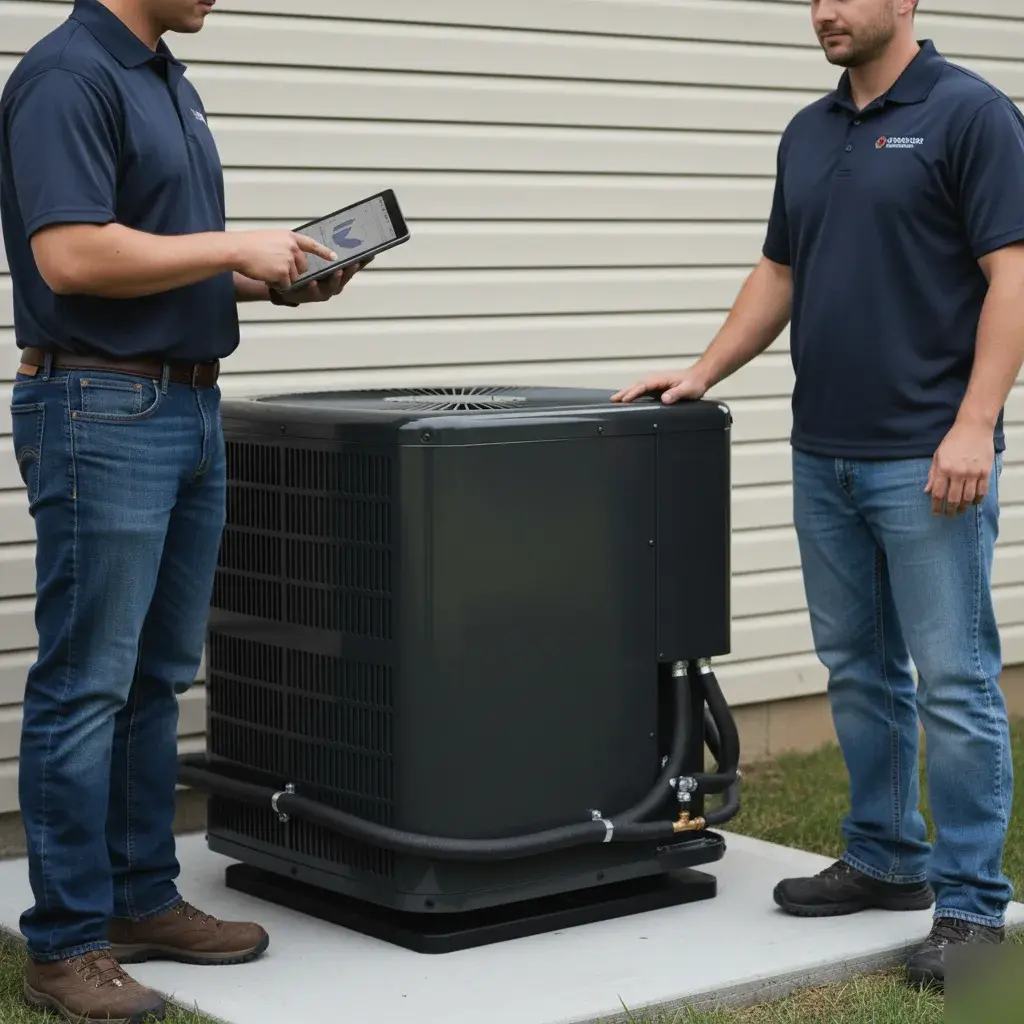
Your compressor failed, and now there is a decision to make. It is a question we field often: fix it, or replace the whole unit? Here is how we walk through it.
If your system is under ten years old and has been maintained, replacing just the compressor is usually the smart move — the rest of the unit still has life left. But age is not the only factor. It is worth weighing how many repairs you have already paid for in the last couple of years, whether the system still uses R-22 refrigerant that is no longer produced, whether the condenser coil and air handler are showing wear too, and whether energy bills were climbing even before the failure. A single compressor replacement on an otherwise solid system is a reasonable investment. Stacking it on top of a failing coil and a tired air handler is throwing good money after bad.
AC Compressor Replacement: Repair or Replace the System?
This video explains what homeowners should know when AC compressor replacement is being considered. Compressor problems may show up as warm air, breaker trips, hard starting, unusual outdoor unit noises, or an outdoor fan running while the system still does not cool. The video also explains why these symptoms do not always mean the compressor itself has failed. Capacitors, contactors, wiring, refrigerant issues, airflow restrictions, and coil problems can sometimes look similar. A diagnostic visit helps confirm whether the compressor has failed and whether compressor replacement or full system replacement makes more sense based on age, refrigerant type, repair history, and overall condition.
If a system is fifteen years or older and the compressor fails, replacement is often the better conversation. Modern systems run significantly more efficiently than units from the early 2000s, which changes the math for a lot of Long Island families — the Department of Energy's overview of central air conditioning efficiency is a useful reference on how age and efficiency factor into that decision. There is also the refrigerant issue: older R-22 systems get more expensive to recharge every year, and moving to a newer system removes that problem. We do not push one direction. We give you a written estimate for both options, lay out the numbers, and let you decide. If a full system makes more sense, our central AC replacement service can take it from there.
What Happens During AC Compressor Replacement
Most homeowners have never seen this job done, so here is what our process looks like from start to finish.
We power down the system and recover all remaining refrigerant into approved tanks — federal law requires proper handling, and nothing gets vented into the air. We disconnect the electrical wiring and refrigerant lines from the failed compressor and remove it. Before the new one goes in, we inspect the connected parts — the contactor, capacitor, and refrigerant lines — because a failing capacitor can damage a brand-new compressor, and catching it now saves you from paying twice. We mount the new compressor, reconnect the refrigerant lines with proper brazing, and wire everything to manufacturer specs. Then we pull a deep vacuum on the line set to remove moisture and air and pressure-test for leaks — a step that takes meaningful time and cannot be rushed. Finally, we weigh in the exact refrigerant charge the system needs, start it up, and monitor pressures, amperage, and superheat to confirm it runs right.
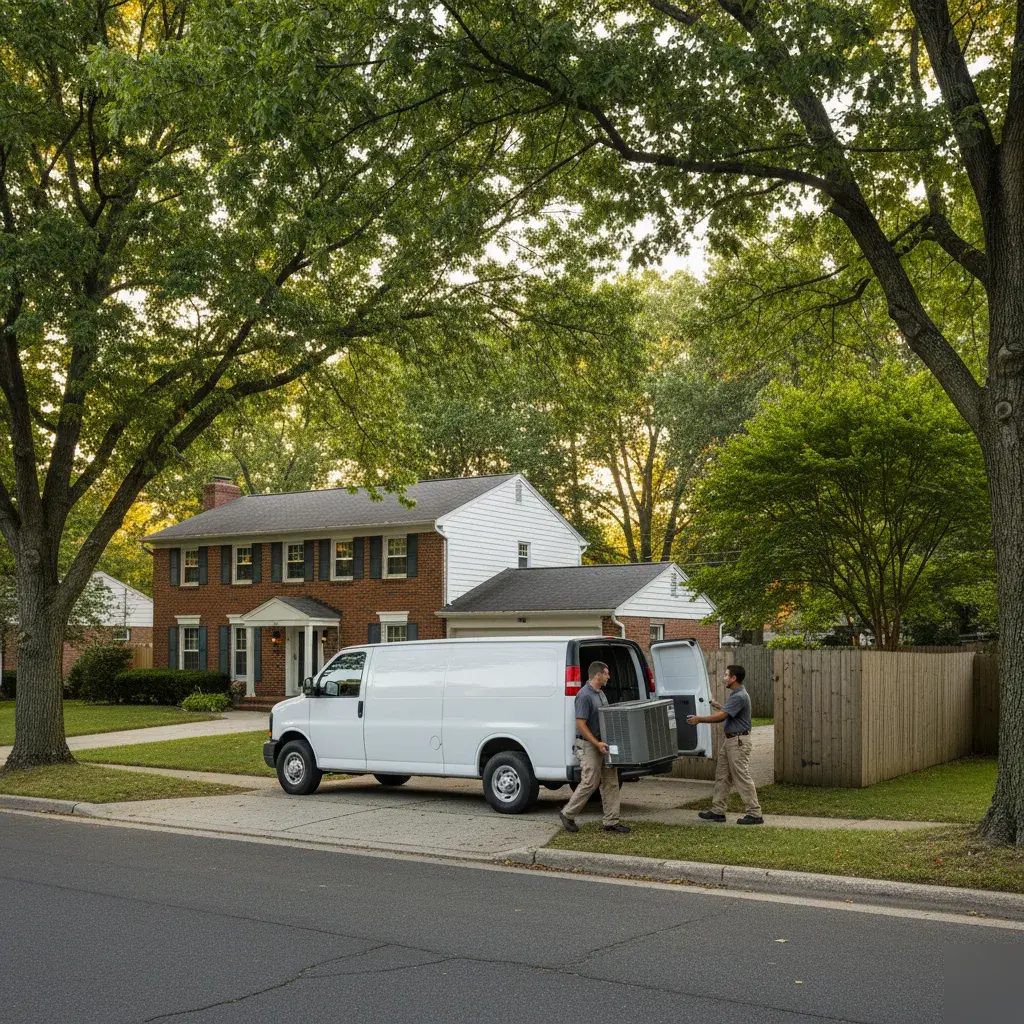
The job typically takes several hours depending on the unit and system condition, and we aim to complete it in a single visit. Our EPA 608 certified technicians verify every connection and reading before leaving, and you get a written summary of everything we did, every part replaced, and every measurement recorded — paperwork that matters if you ever need service later.
Why Compressors Fail Early in Deer Park Homes
Many AC compressors are expected to last for years, but early failures can happen when other problems go unaddressed. One common reason is a refrigerant leak that went unnoticed. A slow leak does not shut the system down right away; instead the compressor works harder and harder against a low charge, and over months that strain burns out the motor windings. By the time you feel warm air, the damage is often already done.
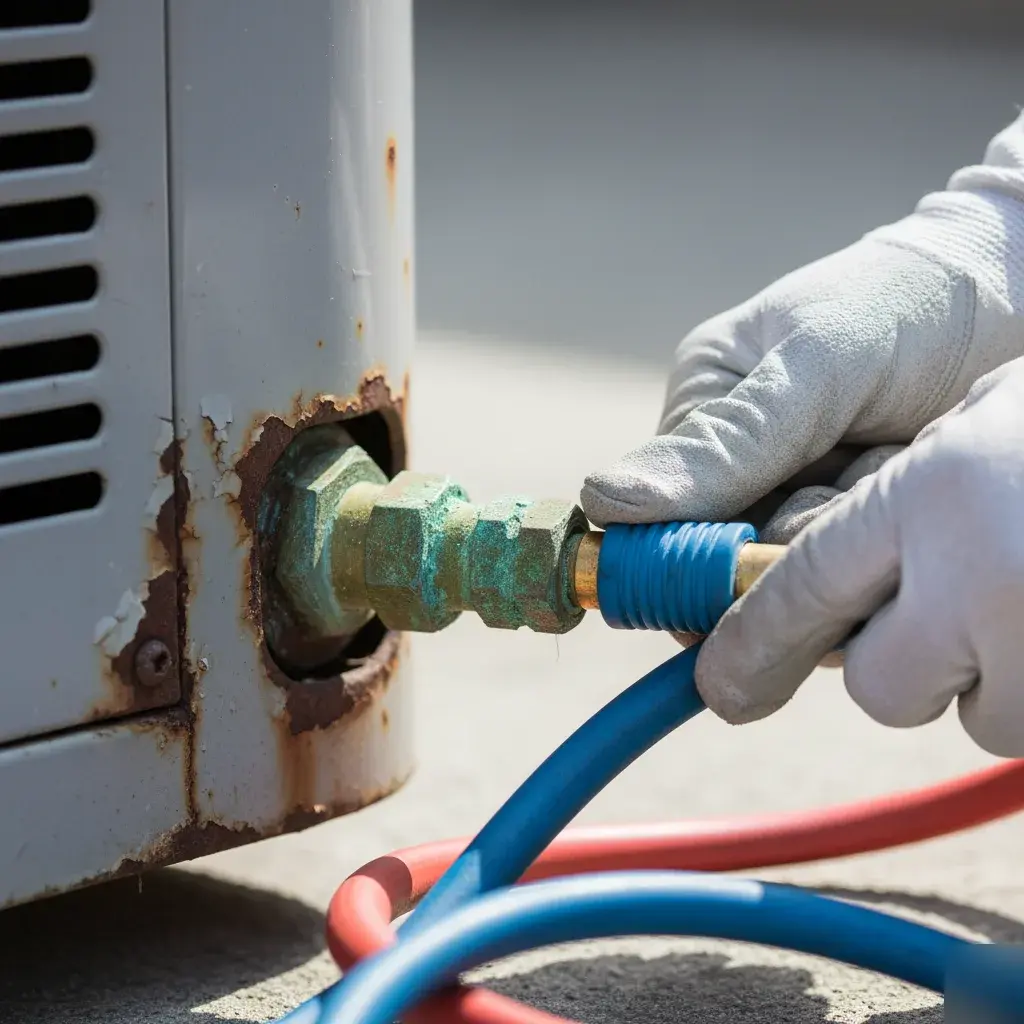
Common culprits behind early failure include chronic low refrigerant from undetected leaks, dirty condenser coils that trap heat and force the compressor to overwork, electrical issues like a failing capacitor sending inconsistent voltage, a lack of annual seasonal maintenance that lets small problems compound, and oversized or undersized systems that short-cycle and wear parts out faster. That last one surprises people — an AC that is too big cools quickly, shuts off, then kicks back on minutes later, and that constant cycling is hard on a compressor. Outdoor exposure plays a role too; corrosion builds on condenser coils and electrical connections, which adds resistance, runs the compressor hotter, and shortens its life. Knowing what tends to cause early failure helps you catch the next problem before it goes that far.
What We Check Before Calling the Job Complete
A new compressor in your system does not mean much if nobody verifies the work. We have seen situations where an install looked fine on the surface, the unit kicked on, and the system failed again within weeks. That is why our technicians run a full verification after every replacement.
Before tools get packed up, we confirm the refrigerant charge matches manufacturer specs, since too much or too little will put stress on a new compressor. We check superheat and subcooling readings at the service valves to confirm refrigerant is moving correctly, measure amp draw on the compressor against the nameplate rating, verify the contactor and capacitor are pulling their weight, run a full cooling cycle while checking supply and return air temperatures, and inspect every electrical connection one more time for tightness. We document every reading and hand you a copy.
A compressor can run and still not cool properly — the fan spins, air comes from the vents, but if the charge is wrong or the metering device is mismatched, the bill climbs and the house never gets comfortable. That is the difference between a job that is done and one that is done right. We verify readings before finishing and do not consider the job complete until the numbers check out.
Related Services
A failing AC capacitor can damage a compressor over time. Undetected refrigerant loss often starts with refrigerant leak detection. Regular AC tune-up helps prevent early compressor failure. For the full range of cooling work, visit our Air Conditioning Repair Service page.
Why Choose Us
Pristine Air Heating and Cooling LLC is insured, and our technicians are EPA 608 certified for the refrigerant work every compressor job involves. You get a written estimate before work begins, and we make sure you understand your options before anything moves forward. We offer same-day availability when scheduling allows, financing options are available for larger jobs, and our hours are Monday through Saturday, 8 to 5, closed Sunday. For the full range of cooling work, see our Air Conditioning Repair Service page.
Common Questions
- How long does AC compressor replacement take in Deer Park?
- Many compressor replacements can be completed in a single visit, though timing depends on the unit and system condition — we explain the expected timeline in the written estimate before work starts. The vacuum and leak test takes meaningful time and cannot be rushed. If we find a failing capacitor or damaged refrigerant lines during inspection, that adds to the scope, but we walk you through anything that comes up before proceeding.
- My AC runs all day but the house never cools down — is that the compressor?
- It could be, but it is not the only possibility. A system that runs constantly without reaching temperature is a recognized compressor symptom, and it also overlaps with a bad capacitor or low refrigerant. The only way to know for certain is a proper diagnostic. We see this pattern during Deer Park summers, particularly in older systems that have been working harder than they should.
- Should I replace just the compressor or the whole AC unit?
- If your system is under ten years old and in otherwise good shape, replacing the compressor typically makes sense. If it is fifteen years or older, a full replacement is often the smarter call. We give you a written estimate for both options so you can compare. We do not push one direction — we lay out the numbers and let you decide.
- My outdoor fan is spinning but I hear no humming underneath it — is that serious?
- Yes, that is a strong sign the compressor has stopped running. The fan motor and compressor are separate components, so when the fan spins but the compressor is silent, the system is moving air without cooling it. Do not keep running the unit in that condition. Continued operation can damage other parts and expand the scope of repair.
- Does Deer Park's summer heat affect how long a compressor lasts?
- It does. Compressors in hot, humid conditions work harder and cycle more frequently than in milder areas. Systems that were never maintained — no coil cleaning, no refrigerant checks — tend to fail earlier than they should. Small problems that go unaddressed for a few seasons often compound into compressor damage. Regular maintenance is the best way to protect your investment.
- What should I do to prepare before a technician arrives for compressor replacement?
- Clear a path to your outdoor condenser so the technician can work without obstacles, and make sure someone eighteen or older is home for the full job. If the unit sits in a tight side yard, move anything stored around it. We bring all the tools, refrigerant, and parts, so there is nothing special needed inside the house.
If your AC stopped cooling and you think the compressor may be the issue, call Pristine Air Heating and Cooling LLC at 631-333-1613. We serve Deer Park, Suffolk County, and Nassau County, with written estimates before any work begins.