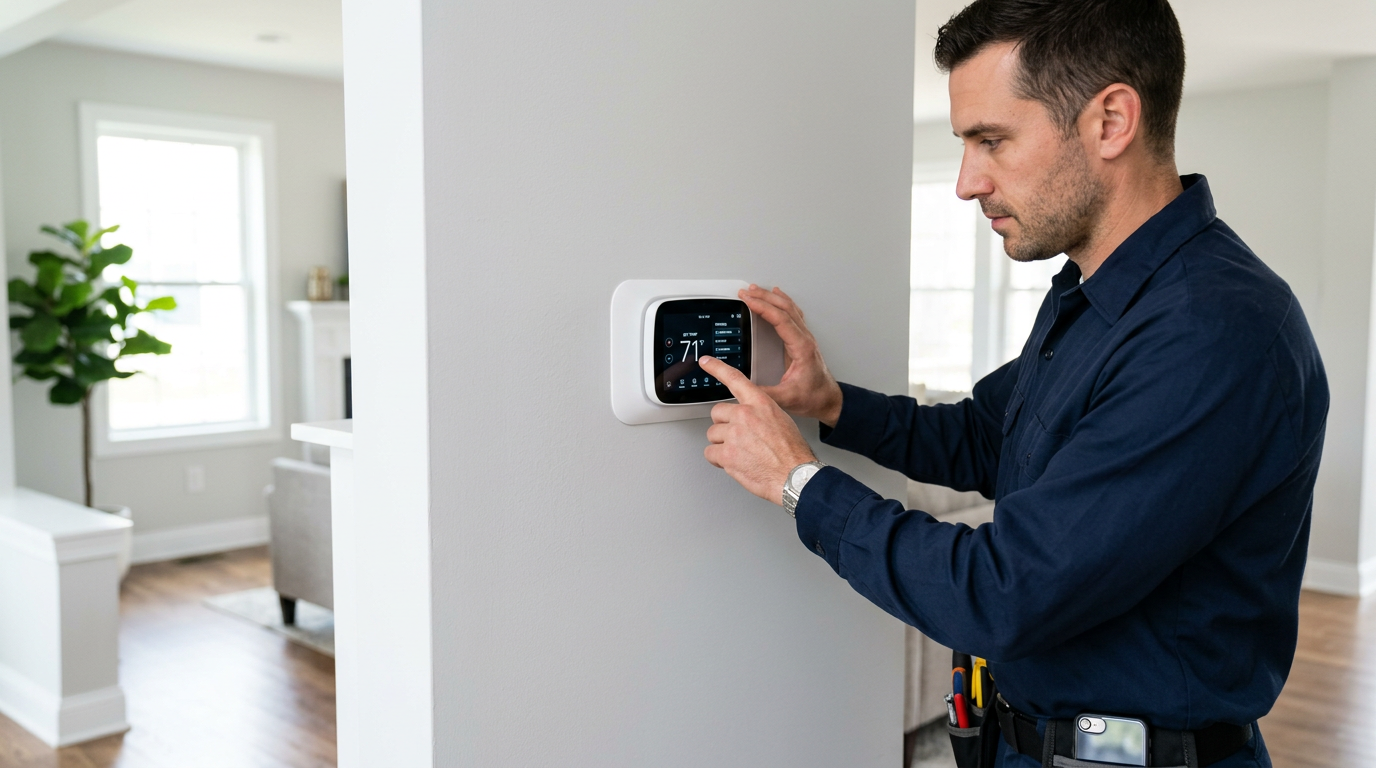
Thermostat Replacement in Deer Park, NY
If your heat or AC will not respond the way it should, the thermostat may be the reason. We confirm it is the real cause before recommending a replacement, and we explain everything in a written estimate first.
- Insured
- Written estimates before work begins
- Same-day availability when scheduling allows
- Financing options available
Your thermostat is the control center for the whole HVAC system. When it stops working right, your heat or AC will not respond the way it should, and the symptoms can easily look like a furnace or AC problem instead. That is why we confirm the source before recommending anything.
Pristine Air Heating and Cooling LLC replaces thermostats across Deer Park and the surrounding Suffolk and Nassau County towns. We test the existing control first, match the right thermostat to your system, handle all the wiring and setup, and run a full heating and cooling cycle before we leave. Call 631-333-1613 to schedule.
Signs Your Thermostat Has Stopped Working Correctly
You walk into a room and it feels noticeably warmer than what the screen says. That is one issue we hear about from Deer Park homeowners before a thermostat replacement. The display reads 72, but the room tells a different story.
Sometimes the signs are obvious. Other times they sneak up over a few weeks. Here is what to watch for:
- The system turns on and off in short bursts, never running long enough to reach the set temperature
- Rooms feel noticeably different from what the thermostat displays
- The screen is blank, flickering, or unresponsive
- The system will not turn on at all, even though the breaker is fine
- Energy bills creeping up with no change in how you use your heat or AC
We see that short cycling pattern come up often. A homeowner called last winter because the furnace kept kicking on for two minutes, then shutting off. She had already replaced the filter twice. The thermostat was sending bad signals to the system the whole time.
A blank screen also does not always mean dead batteries. Many thermostats draw power directly from the system's low-voltage wiring, and when that connection fails the whole thing goes dark even with fresh batteries installed. Because the thermostat is the brain of the system, a malfunction can easily look like a furnace or AC failure, so we run a diagnostic to confirm the source before recommending anything. Homeowners are often surprised how straightforward the fix turns out to be.
Why Boiler-Heated Homes Need a Different Approach
A lot of Deer Park homes do not run forced-air systems. They run boilers, and thermostat replacement on a boiler setup is a different job than swapping a thermostat on a furnace or central AC system.
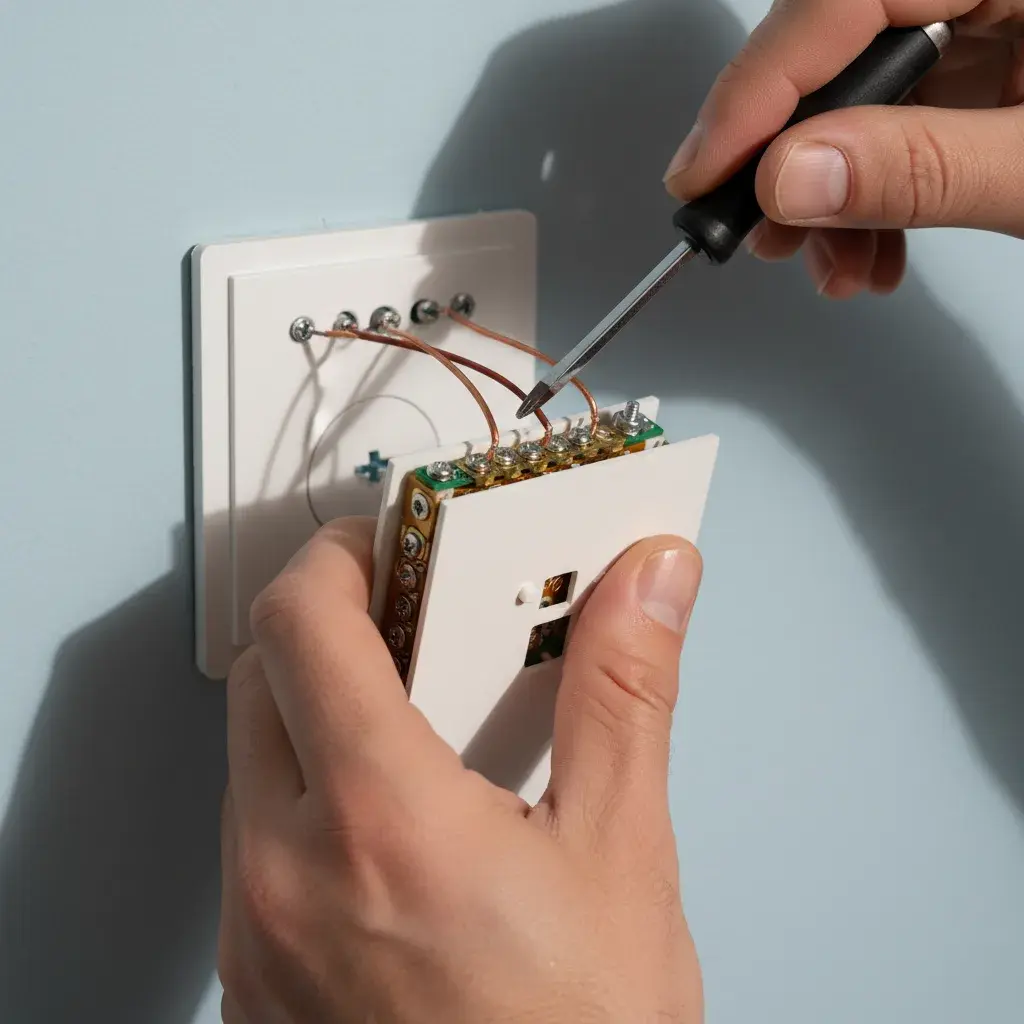
Boiler systems use zone valves, circulator pumps, and sometimes multiple heating zones controlled by separate thermostats. You cannot just pull the old unit off the wall and clip in a new one. You need to understand how the zones are wired, which valves respond to which thermostat, and whether the system uses a relay panel or direct wiring. Get any of that wrong and you end up with one zone that will not heat while another runs nonstop.
We see this in older homes built decades ago, where the original zone wiring has been patched or modified over the years with nothing clearly labeled. A few things that make boiler thermostat replacement tricky:
- Zone valve wiring that does not follow standard color codes
- Older relay panels not compatible with newer smart thermostats
- Multiple thermostats controlling a single boiler with different call sequences
- Low-voltage wiring spliced behind walls without junction boxes
Most homeowners just want a programmable thermostat that works reliably, but getting there on a boiler system takes more diagnostic work upfront. We trace every wire, confirm each zone fires correctly, and test the boiler's response so the new thermostat communicates properly with the circulator pump and zone valves. Our technicians handle boiler zone valve replacement and boiler circulator pump replacement regularly, so they know how the whole system connects before the first wire gets touched.
Choosing the Right Thermostat for Your Home
Most people do not realize how many options exist until their old thermostat fails. The right pick depends on your HVAC setup, your daily routine, and what you actually want the thermostat to do. There are three main types worth knowing:
- Non-programmable thermostats do one job. You set a temperature and they hold it. Simple and reliable, good for homes where adjustments are typically made manually.
- Programmable thermostats let you set schedules for wake, leave, return, and sleep, which can help during Deer Park summers when the AC runs hard for months.
- Smart thermostats learn your habits, connect to Wi-Fi, and let you adjust from your phone. The U.S. Department of Energy's guide to programmable thermostats notes that using one consistently can reduce heating and cooling costs over the course of a year.
Not every thermostat works with every system. A heat pump needs a thermostat rated for heat pump use, and a boiler with zone valves is a different wiring setup entirely. We have pulled smart thermostats off walls that homeowners installed themselves only to find they were not compatible with the equipment in the basement. Before any replacement, we check your wiring, confirm what equipment you are running, and make sure the new unit will communicate with your system.
What the Thermostat Replacement Process Looks Like
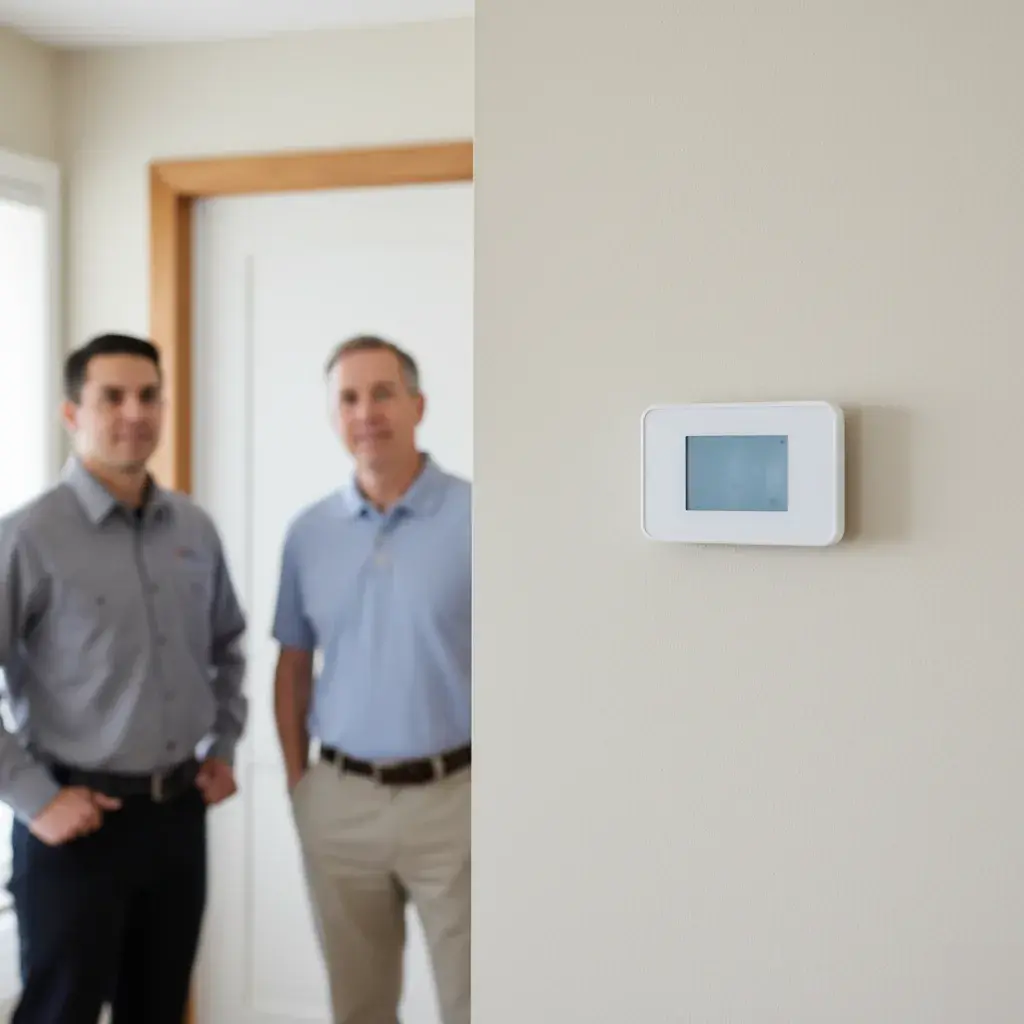
The job is straightforward when you know what you are doing, and we explain each step as we go. Here is how we handle a thermostat replacement from start to finish:
- Power down the system. We shut off the breaker to the HVAC equipment.
- Remove the old thermostat. We take off the faceplate and mounting plate, then label every wire before disconnecting anything. This matters in older homes where wiring does not follow standard color codes.
- Check the wiring condition. Frayed wires, corroded connections, a missing C-wire. If your home needs a common wire for a smart thermostat, we can run one during the same visit.
- Mount the new unit. We install the mounting plate, connect each labeled wire to the correct terminal, and secure everything flush to the wall.
- Configure and test. We program your schedule, connect Wi-Fi if applicable, and run heating and cooling through a full cycle to confirm everything responds.
We never rush this. One thing we always check is the system's response time after installation: watching the equipment kick on, listening for the relay click, and feeling the air at the vents. If there is a delay or the system short cycles, we catch it before we leave. If we spot something unexpected during the install, such as a wiring issue that points to a bigger problem, we tell you before doing anything extra, and you get a written estimate for any additional work before we proceed.
When to Replace Proactively, Not Just in an Emergency
Most people do not think about the thermostat until something goes wrong, but waiting for a total failure usually means sitting in a home that is too hot or too cold and scrambling to get someone out quickly. We hear from Deer Park homeowners who say, "It was kind of working, so I left it alone," and then one day the screen goes blank and it becomes urgent. Replacing ahead of time gives you room to pick the right unit for your system instead of grabbing whatever is available on short notice.
A few situations where replacing early makes sense:
- The thermostat is over ten years old or uses outdated mechanical components
- It has already been repaired once or twice in the last couple of years
- Temperature readings do not match what you actually feel in the room
- Energy bills have crept up with no clear explanation
- You are upgrading your HVAC system and the existing thermostat is not compatible with the new equipment
That last one comes up when older homes get a new central AC or heat pump system and the existing thermostat cannot communicate with it. Replacing both at the same time avoids a callback. If your thermostat is "fine but old," that is actually a reasonable time to have it looked at, and we can assess it during an AC tune-up or heating diagnostic and give you a straight answer about whether replacement makes sense now.
Related Services
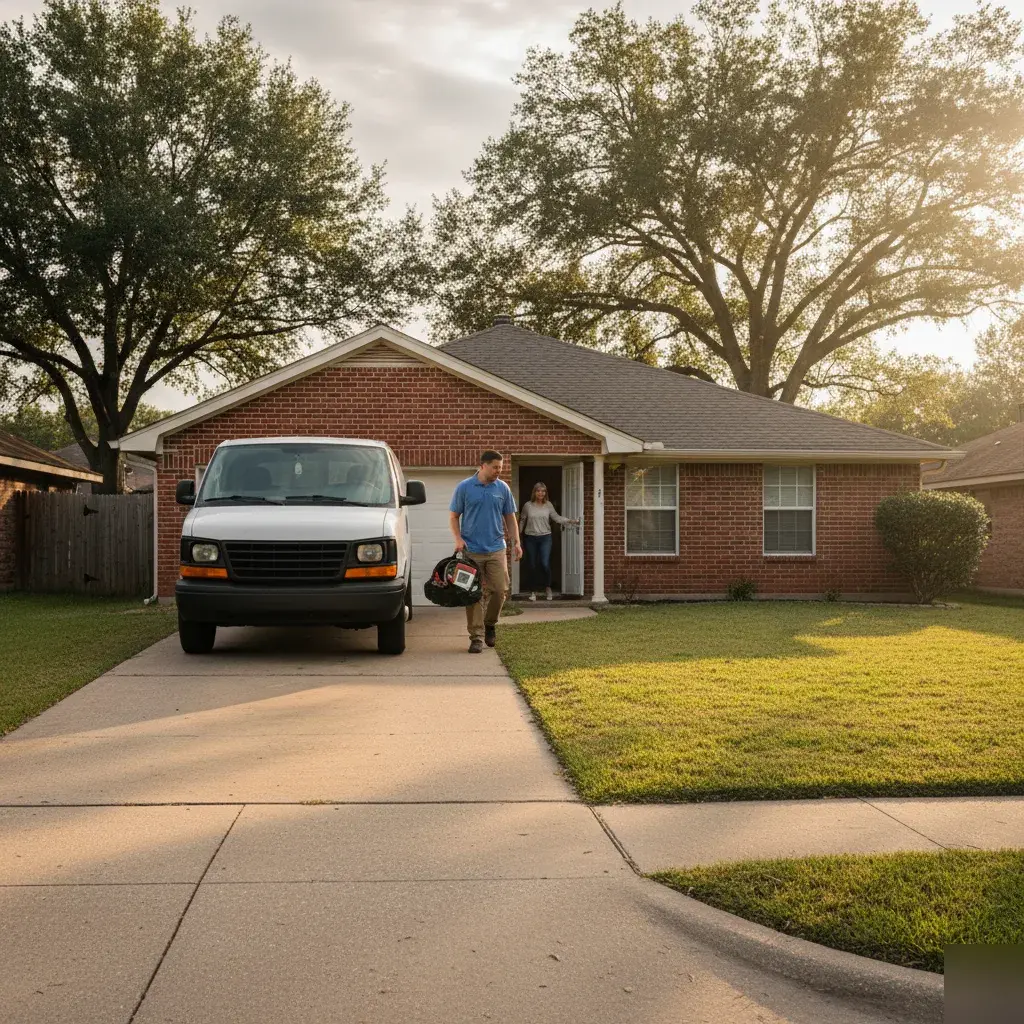
Thermostat problems often overlap with system-wide issues, including AC short cycling repair. To clarify the cause, start with an AC diagnostic or a heating diagnostic, and for heat pump homes see heat pump repair. For the full heating overview, visit our Heating Contractor hub.
Why Choose Us
Pristine Air Heating and Cooling LLC is insured and gives every customer a written estimate before any work begins. We offer same-day availability when scheduling allows, and financing options are available. For boiler-heated homes, see our boiler repair services and heating contractor pages. If short cycling is the symptom that brought you here, our AC short cycling repair service addresses the full system, not just the thermostat.
Common Questions
- How do I know if my thermostat is the problem and not my furnace or AC?
- Check whether your system short cycles, turning on briefly before shutting off again. That is a sign the thermostat may be sending bad signals rather than pointing to a furnace or AC failure. We run a full diagnostic before recommending any replacement. Many Deer Park homeowners find that their equipment is perfectly fine and the thermostat was the issue all along, which is a much less expensive fix.
- Can I install a smart thermostat if my Deer Park home runs on a boiler?
- You can, but it is not a simple swap. Boiler systems use zone valves and circulator pumps that need to communicate correctly with the new thermostat, and many smart thermostats require a C-wire that older boiler wiring does not include. Homes built decades ago often have zone wiring that has been modified over the years with no clear labeling, so a technician needs to trace every wire and confirm each zone fires before calling the job done.
- What should I do before the technician arrives for a thermostat replacement?
- Locate your breaker panel so we can shut off power to the HVAC equipment quickly, and if you know which breaker controls the furnace or air handler, label it ahead of time. It also helps to write down any symptoms you have noticed: how often the system short cycles, whether the display is blank, or which rooms feel off. You do not need to touch any wiring or remove the old thermostat yourself.
- How long does a thermostat replacement take in a typical Deer Park home?
- Many replacements are completed in a single visit, though timing depends on the system. The work includes powering down the system, labeling and disconnecting the old wiring, mounting the new unit, and running a full heating and cooling cycle to confirm everything responds. Boiler systems with multiple zones take longer because each zone is tested individually. We explain the expected timeline in the written estimate.
- Will a blank thermostat screen always mean I need a replacement?
- Not always. A blank screen can mean dead batteries, but many thermostats draw power from the system's low-voltage wiring, so the screen can go dark even with fresh batteries if that connection fails. We check the wiring first before assuming the thermostat itself is the problem. That said, if the unit is over ten years old and the screen has gone blank, internal components do wear out over time, and Deer Park's humid summers and cold winters can speed that along.
- What happens if you find a wiring problem during the replacement?
- We stop and tell you exactly what we found before doing anything extra. You get a written estimate for any additional work before we proceed. Wiring issues we find include frayed low-voltage wires, corroded terminals, and splices behind walls without proper junction boxes, which is common in older homes with wiring that has been modified over the decades. Addressing these during the same visit saves you a separate service call later.
If your system is not responding the way it should, call Pristine Air Heating and Cooling LLC at 631-333-1613. We serve Deer Park, Suffolk County, and Nassau County, with written estimates before any work begins.